

The Impact of Affordable Hotel Prices on the Travel Industry
Introduction
The travel industry has undergone notable changes over the years, with one prominent trend being the growth of accessible hotel options. As consumers seek more budget-friendly accommodation choices, the market has responded with a range of cost-effective hotels. This article explores the implications of affordable hotel pricing on the travel industry, examining its benefits, challenges, and future directions.
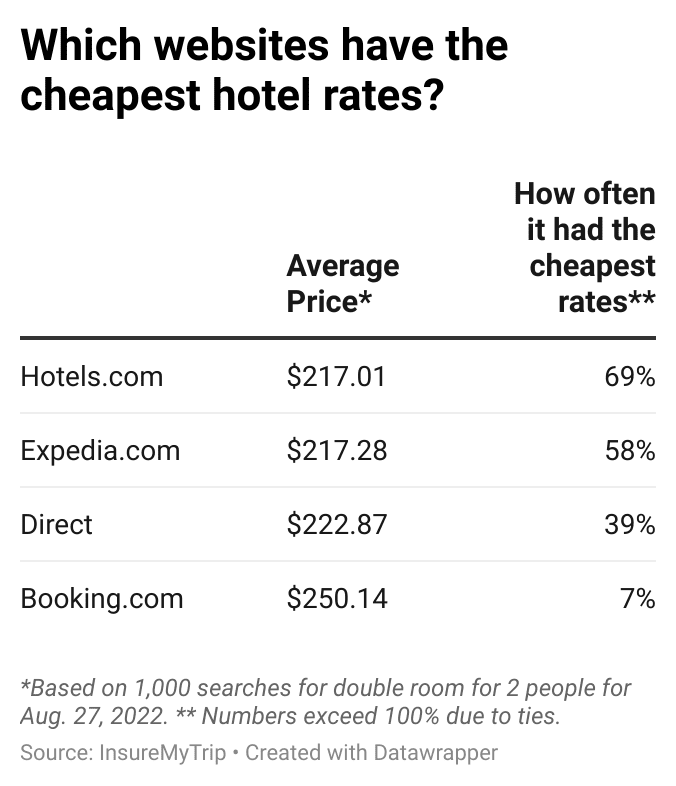
The Rise of Budget Hotels
1.1 Economic Factors
Economic shifts in the late 2000s led to a change in consumer spending patterns, as many travelers prioritized more affordable stays. This demand has fueled the expansion of budget hotels, which offer lower prices without significant compromises on basic quality. Industry projections indicate the global hotel sector is expected to grow at a compound annual growth rate (CAGR) of around 4.6% from 2019 to 2023, with budget hotels playing a key role in this growth.
1.2 Technological Advancements
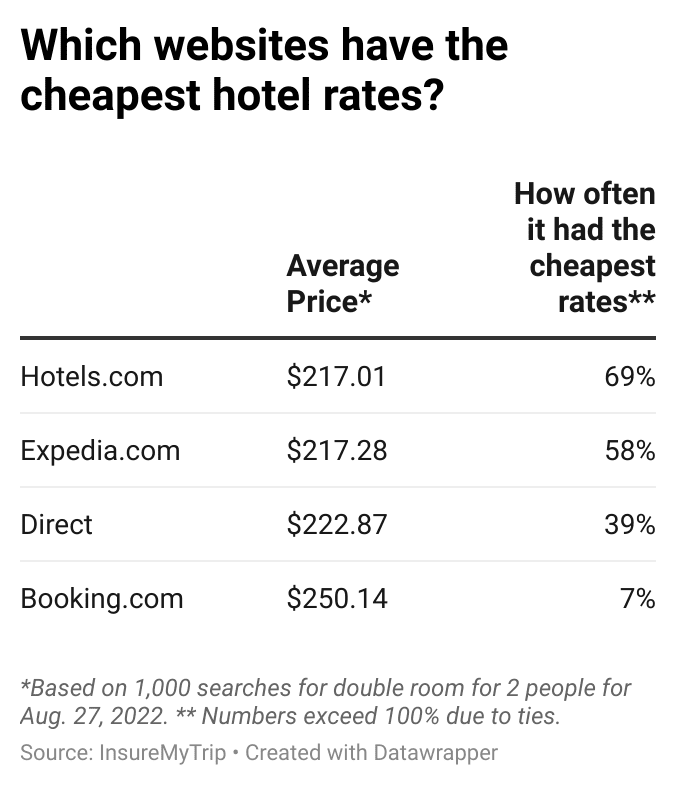
The emergence of online travel agencies (OTAs) and review platforms has simplified the process of finding and booking cost-effective hotel rooms. These platforms provide extensive information—including prices, amenities, and guest feedback—enabling travelers to make informed decisions. Additionally, the rise of mobile booking apps has made it even more convenient for consumers to secure affordable accommodations.
Benefits of Affordable Hotel Pricing
2.1 Increased Accessibility
One key benefit of affordable hotel prices is greater travel accessibility. By offering budget-friendly stays, budget hotels enable more people to experience travel, which is particularly important for families, students, and cost-conscious travelers who might otherwise be unable to afford higher-end accommodations.

2.2 Cost Savings
For travelers looking to save money, affordable hotel prices can be transformative. Choosing budget accommodations allows travelers to allocate more funds to other trip aspects—such as dining, activities, and souvenirs—leading to a more enjoyable and memorable experience.
2.3 Market Expansion
The growth of budget hotels has also expanded the travel market. As more affordable options become available, new destinations are being explored by travelers who previously avoided them due to high accommodation costs. This can positively impact local economies, as increased tourism often leads to job creation and economic growth.

Challenges of Affordable Hotel Pricing
3.1 Quality Concerns
A primary challenge of budget hotel pricing is the potential for quality compromises. While many budget hotels offer comfortable, clean stays, some may cut corners to keep costs low, leading to issues like outdated facilities, limited amenities, or subpar customer service.
3.2 Competition and Market Saturation
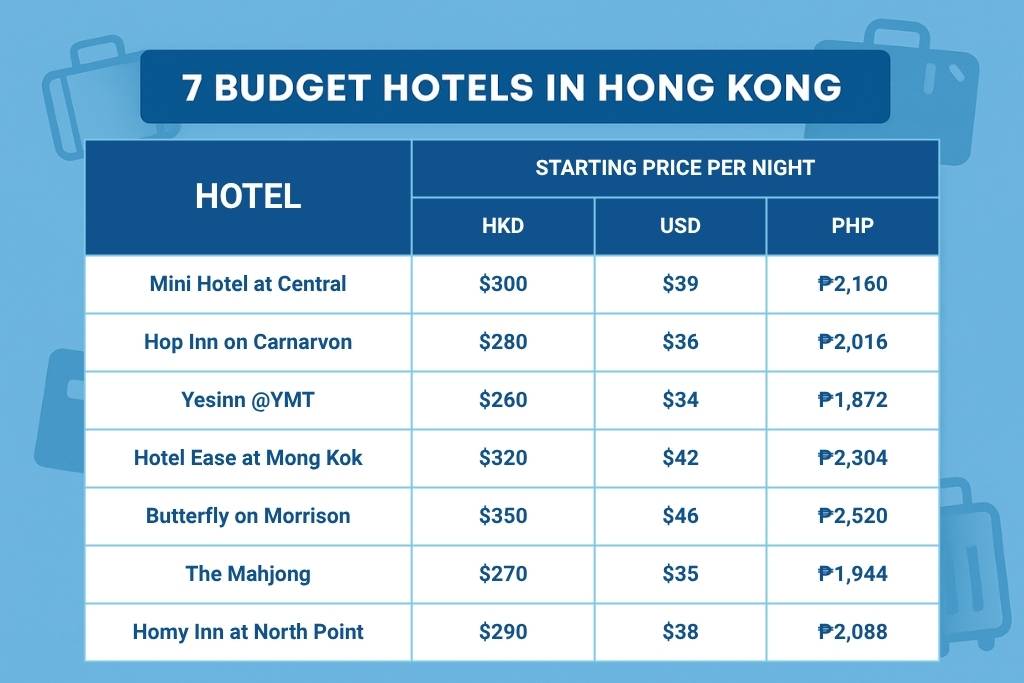
The proliferation of budget hotels has intensified market competition. While this benefits consumers, it can also lead to saturation, with too many budget hotels competing for the same customers. This may trigger a “race to the bottom,” where hotels further reduce quality to attract guests.
3.3 Impact on Higher-End Hotels
The rise of budget hotels has also affected higher-end properties. As travelers opt for more affordable stays, luxury hotels may see declining occupancy rates, leading to reduced revenue and potentially forcing some to lower prices or rebrand as “luxury budget” options.
Future Trends in Affordable Hotel Pricing
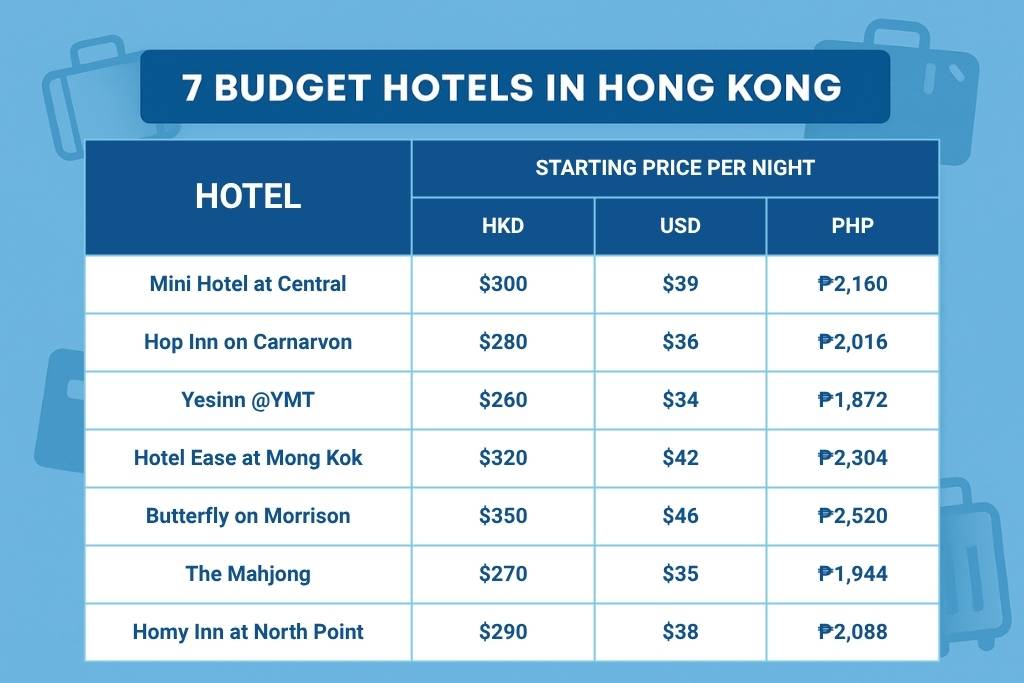
4.1 Technological Integration
Technological advancements will likely shape the future of budget hotel pricing. As hotels invest in technology, we can expect innovative solutions that enhance guest experiences while keeping costs low—such as smart room features, mobile check-in/check-out, and personalized services.
4.2 Sustainability
With growing environmental concerns, sustainability is becoming an increasingly important factor in the hotel industry. Budget hotels are likely to adopt more eco-friendly practices—like energy-efficient appliances, water-saving fixtures, and green cleaning products—to appeal to environmentally conscious travelers.

4.3 Collaboration and Partnerships
To stay competitive, budget hotels may form collaborations with other businesses—such as local tour operators, restaurants, and transportation providers. This can help hotels offer bundled packages at discounted rates, adding value for travelers.
Conclusion
The growth of affordable hotel prices has significantly impacted the travel industry, presenting both benefits and challenges. While increased accessibility and cost savings are clear advantages, concerns about quality and market saturation persist. As the industry evolves, technological integration, sustainability, and strategic partnerships will be critical to shaping the future of budget hotels. By addressing these challenges and embracing new trends, the travel industry can ensure affordable accommodations remain a viable option for travelers worldwide.

Revisiting the Purpose and Importance
The purpose of this article was to explore the implications of affordable hotel pricing on the travel industry. By examining economic factors, benefits, challenges, and future trends, we have gained a comprehensive understanding of this dynamic market segment. The importance of this topic lies in its potential to influence the travel experiences of millions, as well as the economic and environmental impacts of the hotel sector.
Recommendations and Future Research
To enhance the quality of budget hotel accommodations, hoteliers are advised to focus on the following:
1. Investing in quality amenities and services to maintain a competitive edge.
2. Adopting sustainable practices to appeal to environmentally conscious travelers.
3. Forming strategic partnerships to offer bundled packages and added value.
Future research should explore the following areas:
1. The long-term impact of budget hotels on the overall hotel industry.
2. The role of technology in improving guest experiences in budget hotels.
3. The effectiveness of sustainability initiatives in the budget hotel sector.
By addressing these recommendations and research areas, the travel industry can continue to provide affordable, high-quality accommodations for travelers globally.