


Comparing Air Flight Costs: A Comprehensive Analysis
Introduction
The aviation industry has become an integral part of global travel, connecting people and businesses worldwide. However, air travel costs can vary significantly, so it’s essential for consumers to compare flight prices before booking. This article offers a comprehensive analysis of factors influencing flight costs, the importance of price comparison, and potential savings from informed decision-making.
Factors Influencing Air Flight Costs
1.1 Airline Policies
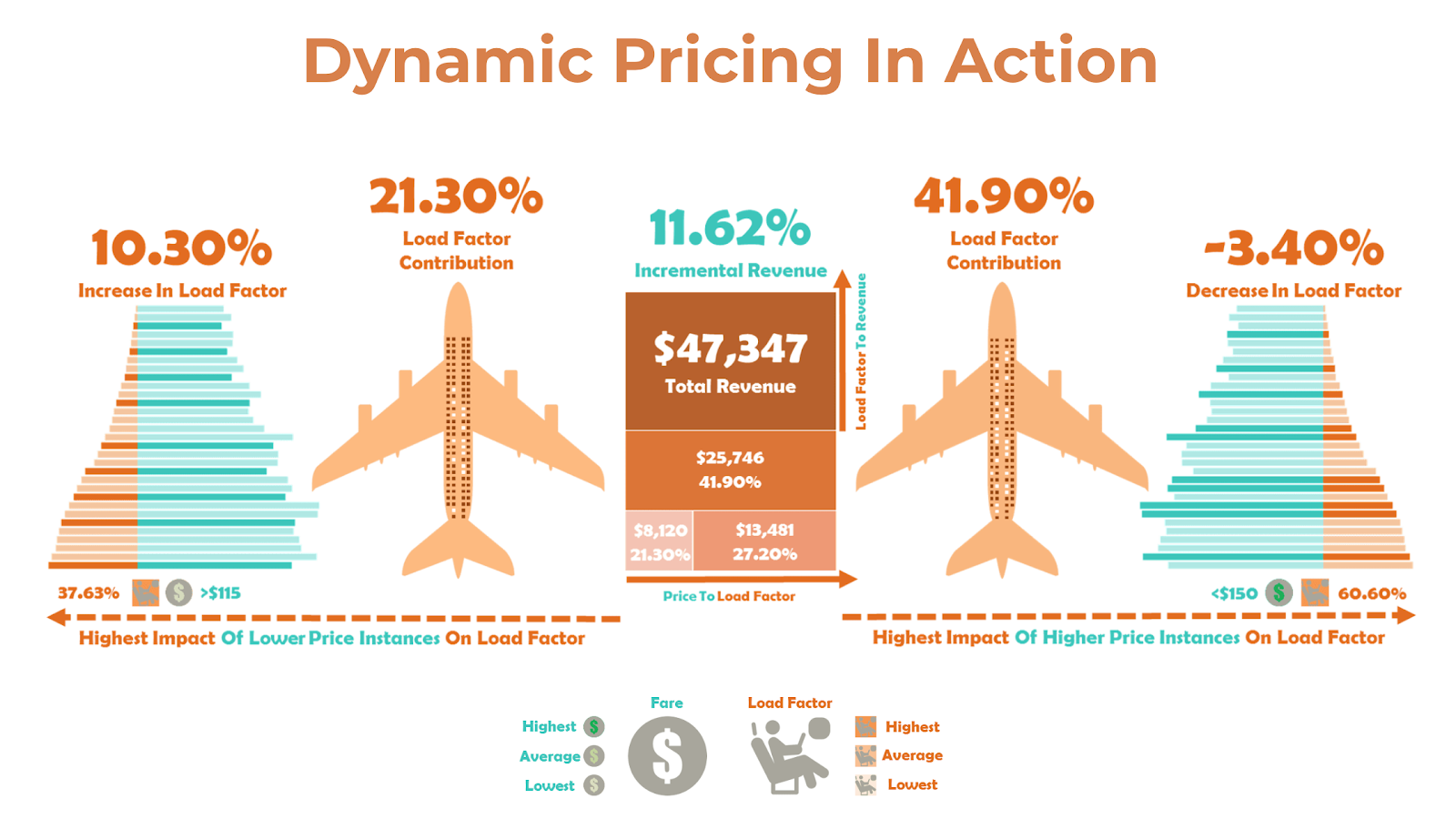
Airline policies significantly impact flight costs. Different carriers use varying pricing strategies, such as fixed fares, dynamic pricing, and bundle offers. Fixed fares are set in advance and don’t change with demand, while dynamic pricing adjusts in real time based on factors like demand, booking timing, and seat availability. Bundle deals, which include extras like checked baggage, meals, and seat selection, can also affect total flight costs.
1.2 Route and Distance
The distance between departure and destination cities is a key factor in flight costs. Longer flights typically cost more due to increased fuel use and operational expenses. Additionally, routes with high demand or limited competition may have higher fares.
1.3 Time of Booking
Booking timing can greatly affect flight costs. Generally, booking well in advance leads to lower fares, as airlines offer discounts to encourage early bookings. Conversely, last-minute bookings may be more expensive due to limited availability and higher demand.
1.4 Seasonality
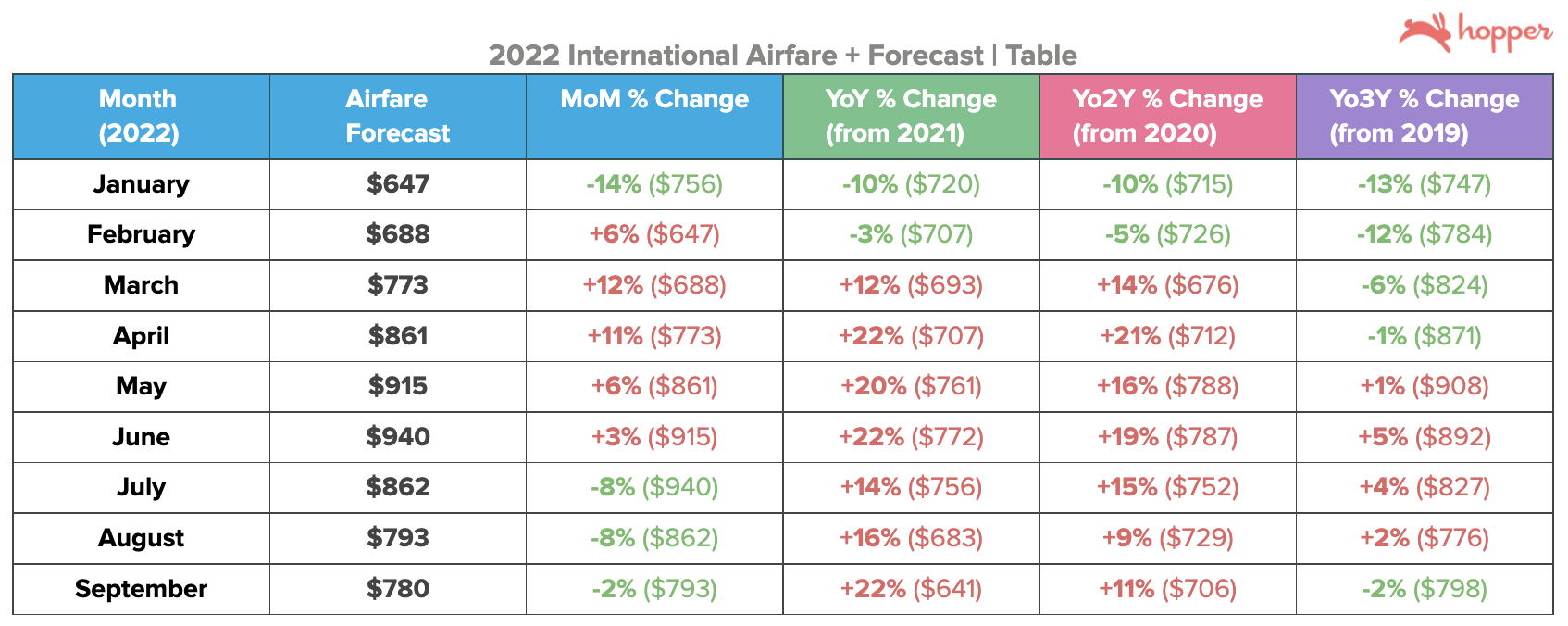
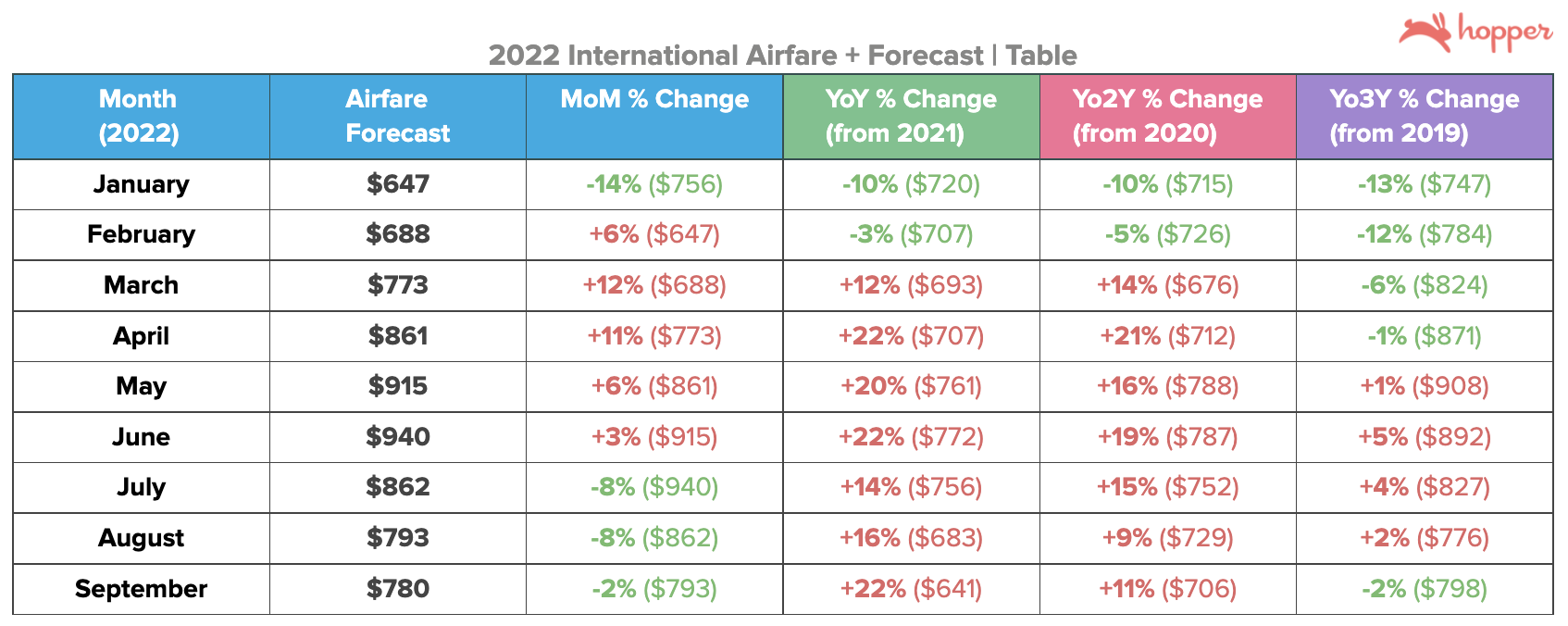
Seasonality plays a major role in flight costs. Traveling during peak periods (like holidays or school breaks) can lead to higher fares due to increased demand. Traveling off-peak, however, often results in lower costs as airlines offer discounts to fill seats.
The Importance of Comparing Air Flight Costs
2.1 Cost Savings
Comparing flight costs can lead to substantial savings for travelers. By finding the most affordable options, travelers can reduce their airfare expenses, freeing up funds for other trip aspects like accommodation, food, and activities.
2.2 Informed Decision-Making
Price comparison allows travelers to make informed choices based on their budget and preferences. This helps them select the most suitable flight, considering factors like departure time, layovers, and airline reputation.
2.3 Access to More Options
Comparing flight costs gives travelers access to a wider range of options, including budget carriers, full-service airlines, and regional operators. This provides more flexibility to choose the best flight for their specific needs.
Tools and Resources for Comparing Air Flight Costs
3.1 Online Travel Agencies (OTAs)
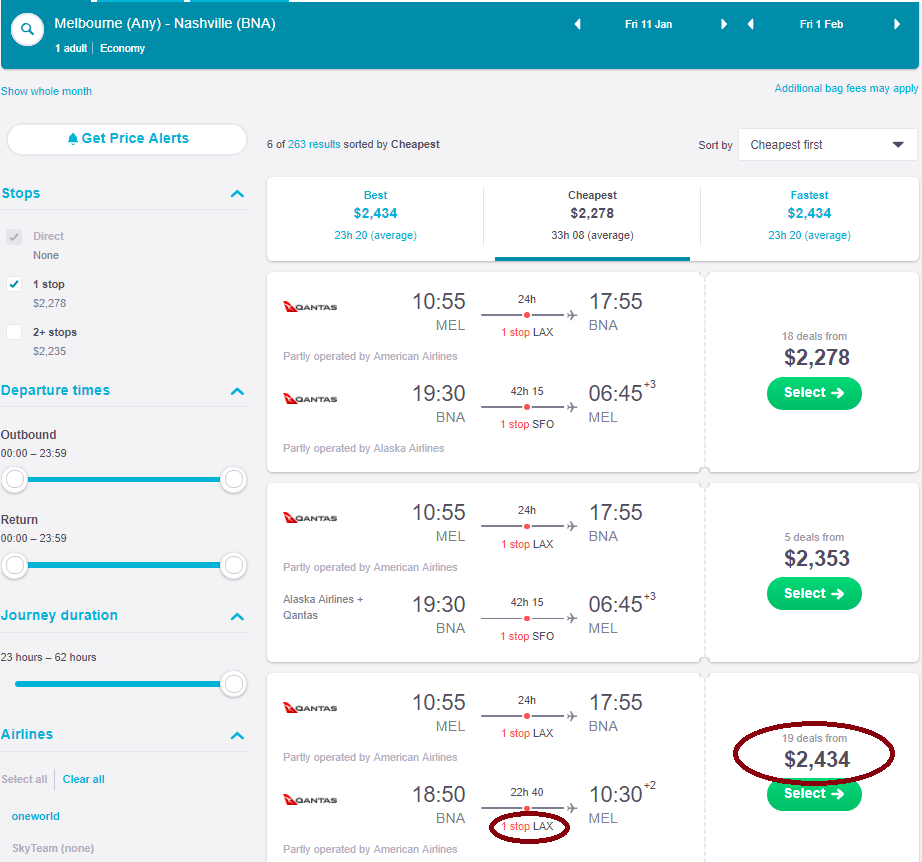
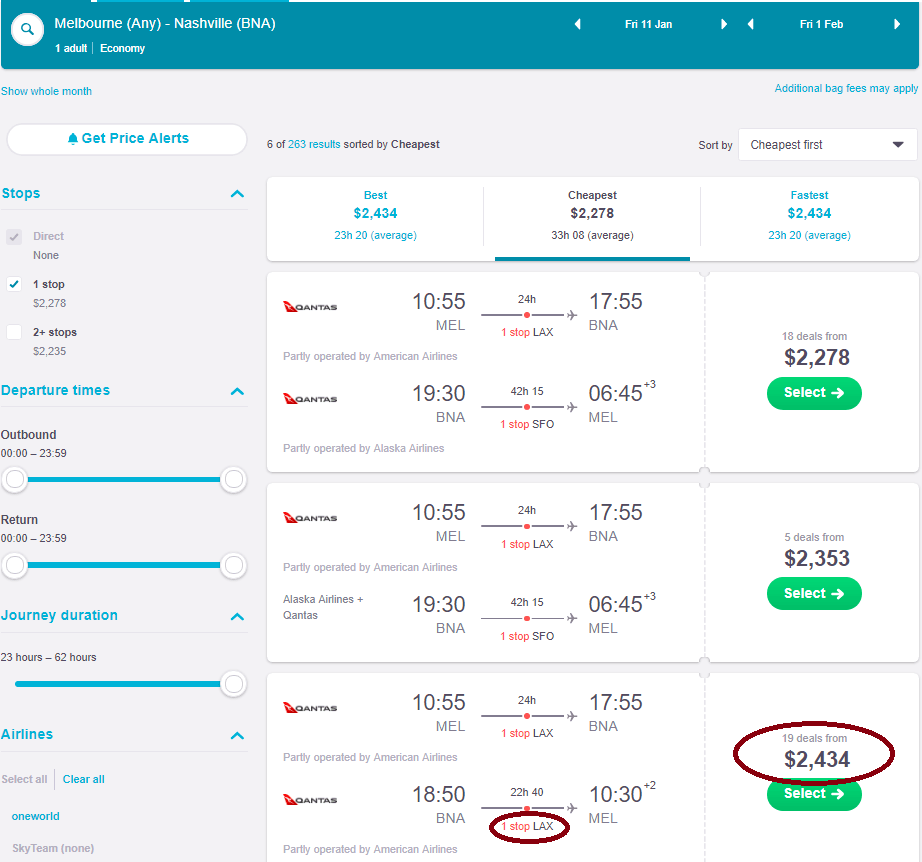
Online travel agencies (OTAs) offer a convenient way to compare flight costs. These platforms aggregate flight information from various airlines and let users filter and sort results by price, departure time, and carrier.
3.2 Airline Websites
Visiting airline websites directly can also help compare flight costs. Airlines often offer exclusive promotions and discounts on their own sites that may not be available through third-party platforms.
3.3 Flight Comparison Engines
Flight comparison engines are powerful tools for comparing flight costs. These tools search multiple airlines and OTAs simultaneously, giving users a comprehensive overview of available options.
Potential Savings from Comparing Air Flight Costs
4.1 Case Study: Domestic Flights
A study of domestic flights found that travelers who compared prices saved a notable amount on their airfare. Booking well in advance and choosing budget carriers helped reduce overall travel expenses.
4.2 Case Study: International Flights
A similar analysis of international flights showed that price comparison led to meaningful savings for travelers. This highlights the value of thorough research before booking a flight.
Conclusion
Comparing flight costs is a crucial step in travel planning. By understanding the factors influencing costs and using available tools, travelers can make informed decisions and save significantly. This article has emphasized the importance of price comparison, key pricing factors, and potential savings from informed choices. As the aviation industry evolves, travelers should stay informed and adjust their strategies to maximize savings and enhance their travel experience.
Recommendations and Future Research
To further improve the process of comparing air flight costs, the following recommendations are proposed:
–
5.1 Enhance Transparency
Airlines should provide clear and transparent information about their pricing policies, including any additional fees or charges that may apply.
–
5.2 Develop Advanced Comparison Tools
Flight comparison engines and OTAs should continue to develop advanced tools that let users compare flight costs based on a wider range of factors, such as in-flight amenities and customer service ratings.

–
5.3 Conduct Research on Consumer Behavior
Further research should explore how consumers make decisions when comparing flight costs and identify areas to improve current tools and resources.
By implementing these recommendations and continuing to explore factors influencing flight costs, the aviation industry can better serve travelers and provide them with the most affordable and convenient travel options.

