


The Impact of Discounted Premium First-Class Tickets on the Aviation Industry
Introduction
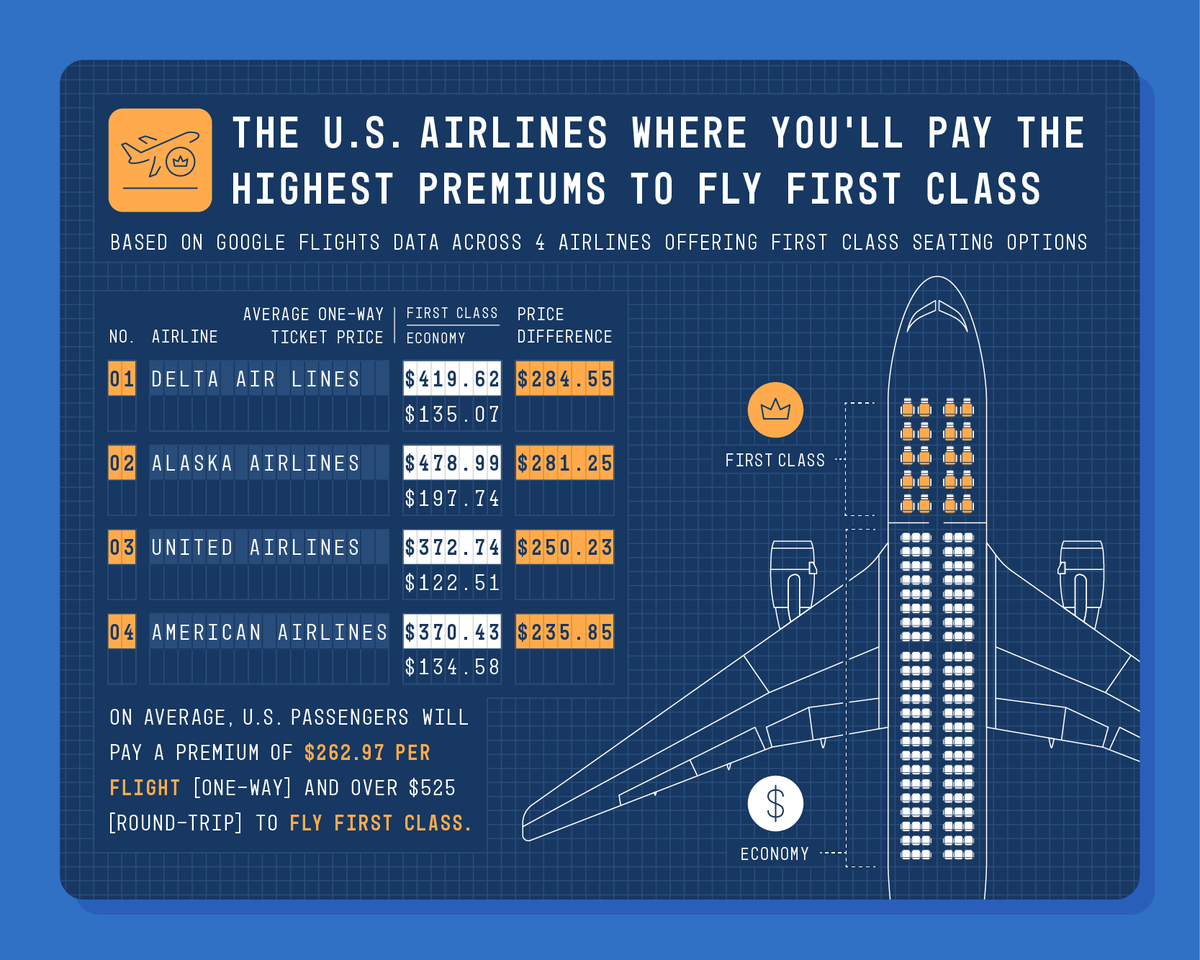
The aviation industry has undergone significant changes over the years, with one of the most notable developments being the rise of discounted premium first-class tickets. These tickets, which provide premium travel experiences at a lower cost, have grown in popularity among budget-conscious travelers. This article explores how discounted first-class tickets impact the aviation industry—looking at their effects on consumer behavior, airline revenue models, and the broader competitive landscape.
The Emergence of Discounted First-Class Tickets
1.1 The Economic Downturn
The global economic downturn in the late 2000s led to reduced consumer spending, especially on luxury goods and services. To retain market share, airlines started offering discounted first-class tickets to appeal to price-sensitive travelers. This strategy has since become a core part of the aviation industry, with many carriers now providing various types of discounted premium tickets.
1.2 The Competition for Market Share
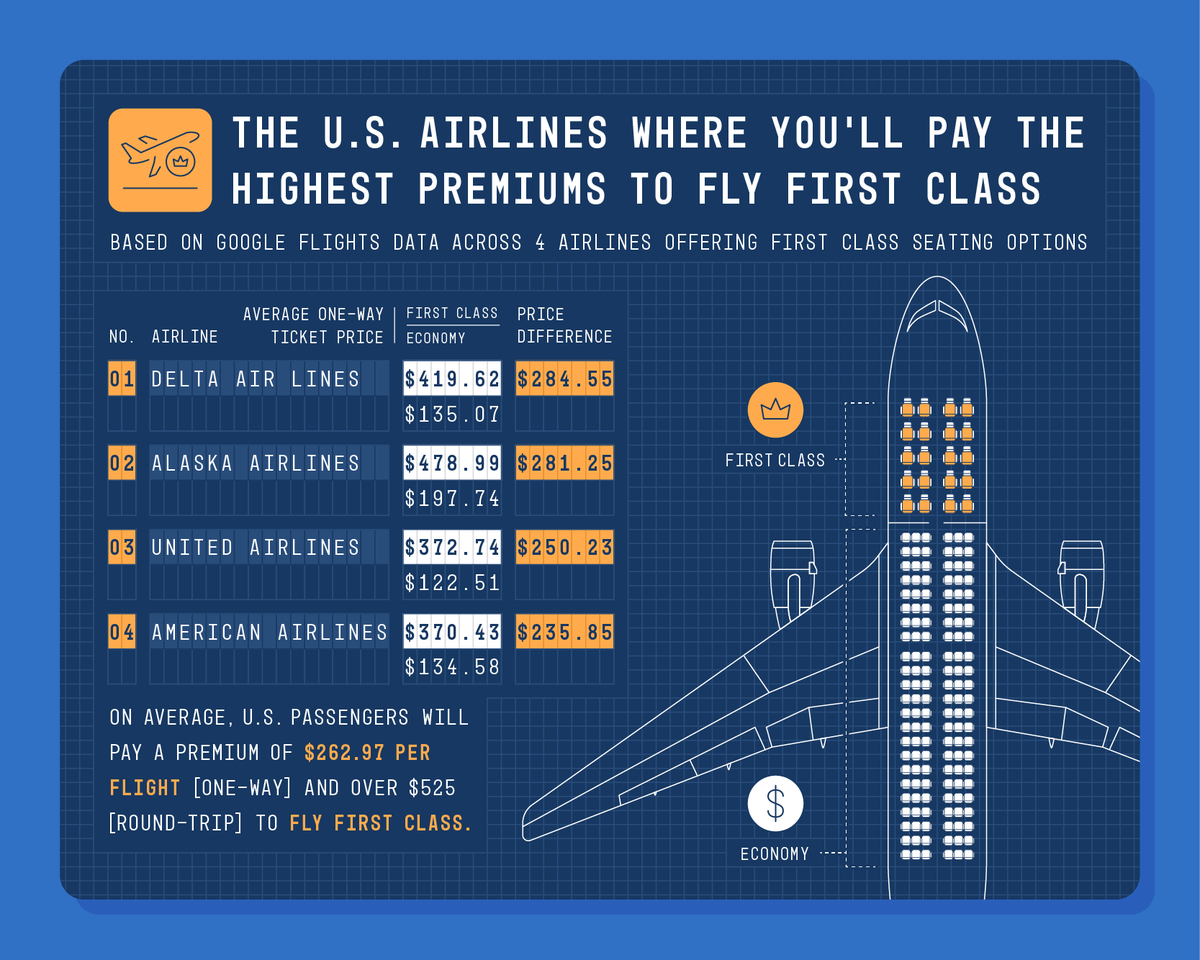
As the aviation industry grows more competitive, airlines have had to innovate to stand out from rivals. Discounted first-class tickets have emerged as a key tool to draw customers who might otherwise choose economy or business class. This has led to a rise in the number of airlines offering such tickets, with some carriers even launching new fare classes specifically for this market segment.
Consumer Behavior and Preferences
2.1 The Attraction of Discounted Premium Tickets
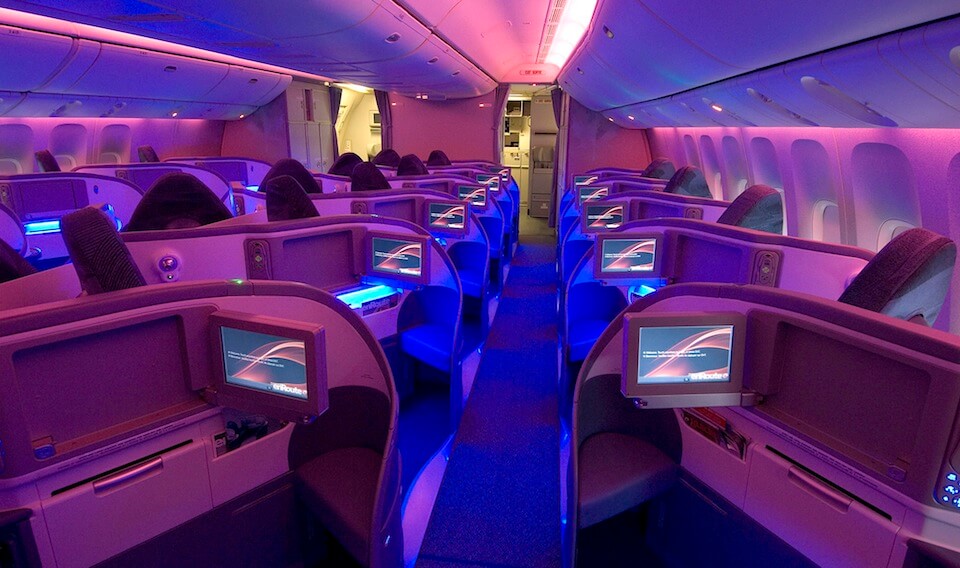
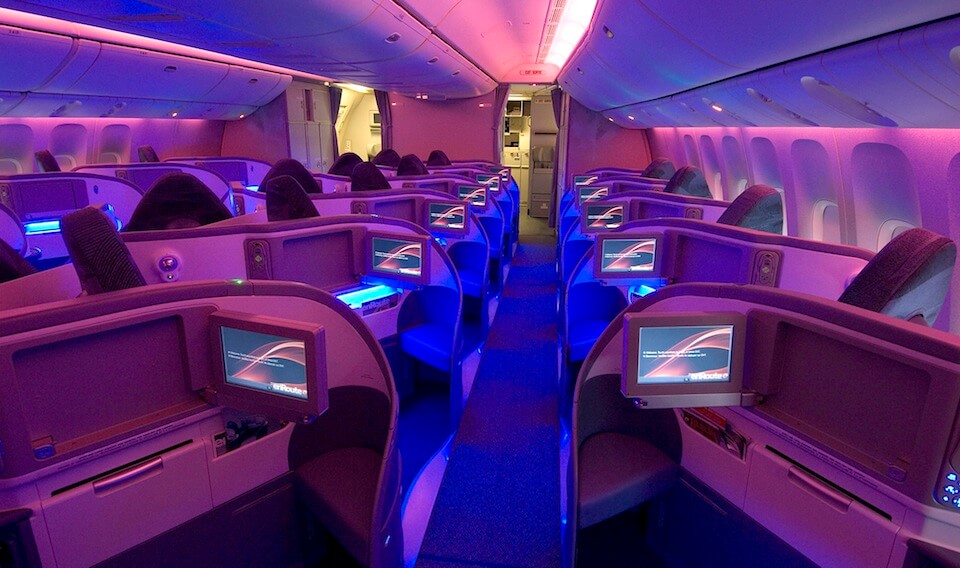
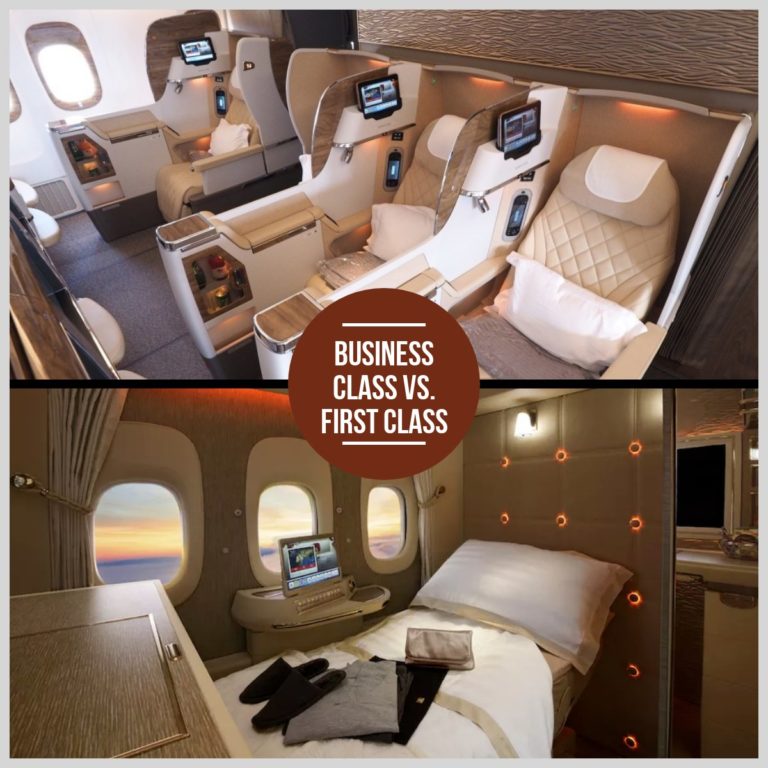
Discounted first-class tickets have become an appealing choice for many travelers. They provide the perks of a premium travel experience—like extra legroom, improved food and beverage options, and enhanced customer service—at a more accessible price. This has fueled growing demand for these tickets, especially among frequent travelers and business professionals.
:max_bytes(150000):strip_icc()/FlyFirstClassforCheap-d3852e14d3984fddb9a46fcb17fc93c2.jpg)
2.2 The Trade-Off Between Price and Quality
While discounted first-class tickets are popular, some worry that consumers might sacrifice quality for the lower price. However, research indicates that many travelers are willing to pay a premium for the perceived value of a discounted first-class ticket—provided the experience meets their expectations.
Airline Revenue Models and Profitability
3.1 The Role of Discounted First-Class Tickets in Revenue Generation
Discounted first-class tickets have become a major revenue stream for airlines. By pricing these tickets lower, carriers can attract more customers who would otherwise be unable to afford premium travel. This has resulted in higher passenger traffic and, in turn, increased revenue.
3.2 The Impact on Profit Margins
While discounted first-class tickets have boosted revenue, they raise concerns about their effect on profit margins. Airlines must carefully manage pricing strategies to avoid sacrificing profitability in the quest for market share. This creates a delicate balance between offering appealing discounts and keeping profit margins healthy.
The Competitive Landscape
4.1 The Shift in Market Dynamics
The introduction of discounted first-class tickets has reshaped market dynamics in the aviation industry. Airlines that don’t offer competitive pricing or appealing premium experiences risk falling behind. This has spurred a more aggressive focus on product innovation and customer service across the industry.
4.2 The Role of Technology
Technology has been key to the success of discounted first-class tickets. Airlines have used digital platforms to make these tickets easily accessible to travelers. Moreover, technology allows carriers to analyze customer data and customize their offerings to meet specific market needs.
Conclusion
Discounted first-class tickets have had a profound impact on the aviation industry, reshaping consumer behavior, airline revenue models, and the competitive landscape. While these tickets are a valuable tool for attracting and retaining customers, they also pose challenges—including maintaining profitability and upholding quality standards. As the industry continues to evolve, it will be interesting to observe how airlines navigate the complexities of offering discounted first-class tickets while staying competitive and profitable.
Recommendations and Future Research
To keep discounted first-class tickets successful, airlines should consider these recommendations:
1. Strategic Pricing: Develop strategic pricing models that balance affordability and profitability.
2. Customer Experience: Invest in customer experience to differentiate your brand and justify the premium value of discounted first-class tickets.
3. Data-Driven Decision Making: Use customer data to customize offerings and boost satisfaction, which drives loyalty and repeat bookings.
Future research should explore the long-term effects of discounted first-class tickets on the aviation industry—including their impact on environmental sustainability and opportunities for further innovation in premium travel experiences.
