
The Impact of Flights Between Major West Coast Airports: A Comprehensive Analysis
Introduction
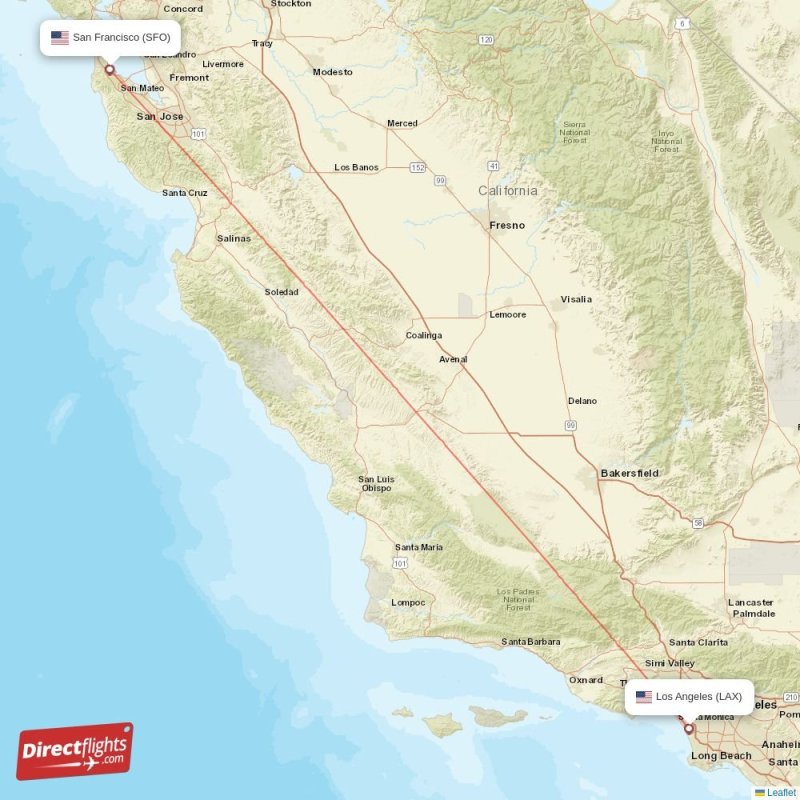
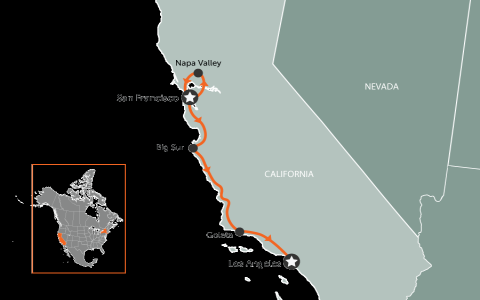
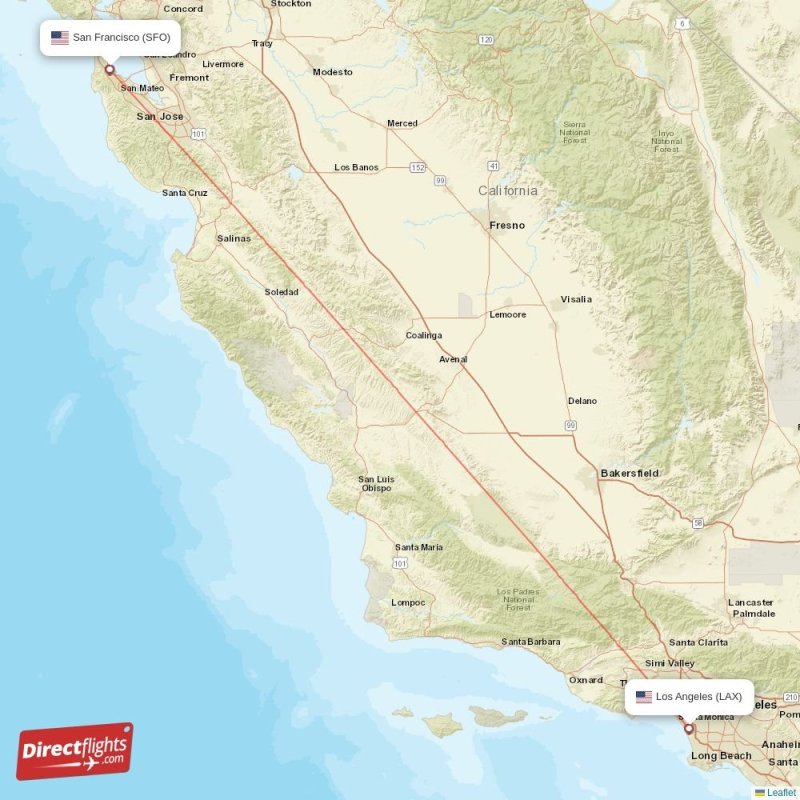
San Francisco International Airport (SFO) and Los Angeles International Airport (LAX) are two of the busiest airports in the United States, serving as key hubs for domestic and international air travel. Flights between these two airports play a critical role in the aviation industry and the economic vitality of the regions they serve. This article provides a comprehensive analysis of their significance, examining economic impacts, environmental considerations, and their place in the broader aviation network.
Economic Impact
Economic Growth and Job Creation
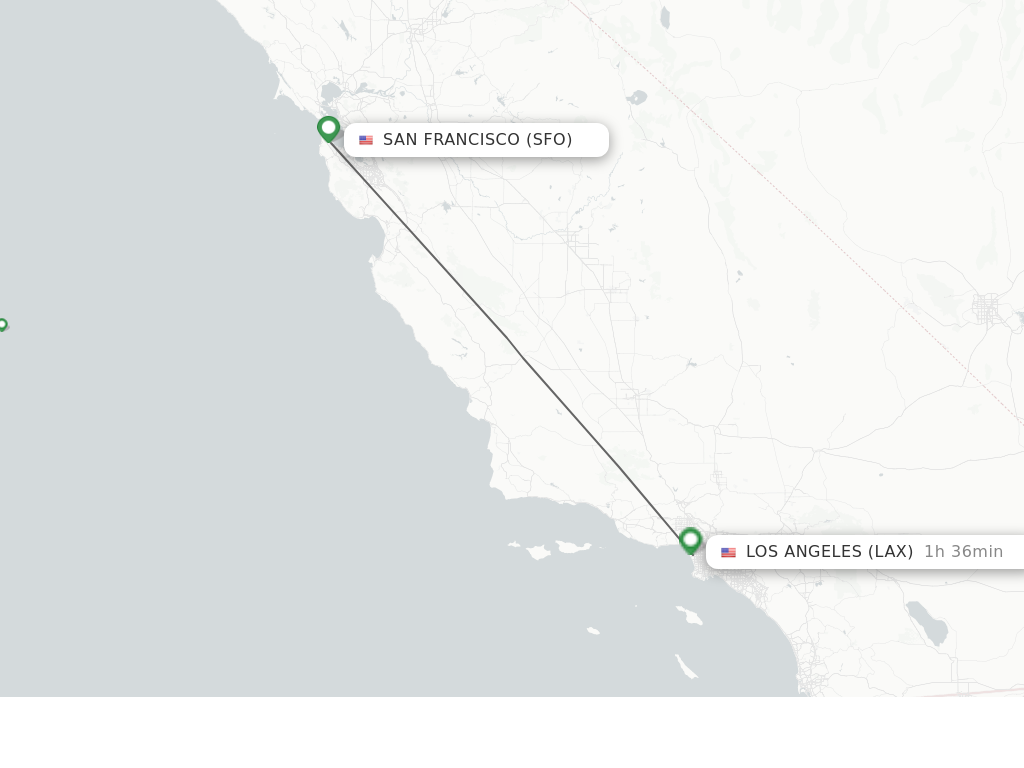
Flights between SFO and LAX have a substantial economic impact on both the San Francisco Bay Area and Southern California. The aviation sector in these regions contributes significantly to local economies and supports a large number of jobs, with direct flights between the two airports driving economic activity and employment in both areas.
Business and Tourism
Direct flights between SFO and LAX facilitate seamless business travel and tourism between the regions. Businesses benefit from quick, efficient transport for employees and clients, while tourists enjoy convenient access to popular local attractions. Many visitors to Southern California arrive via these direct flights, supporting the thriving tourism sector.
Environmental Considerations
Carbon Footprint
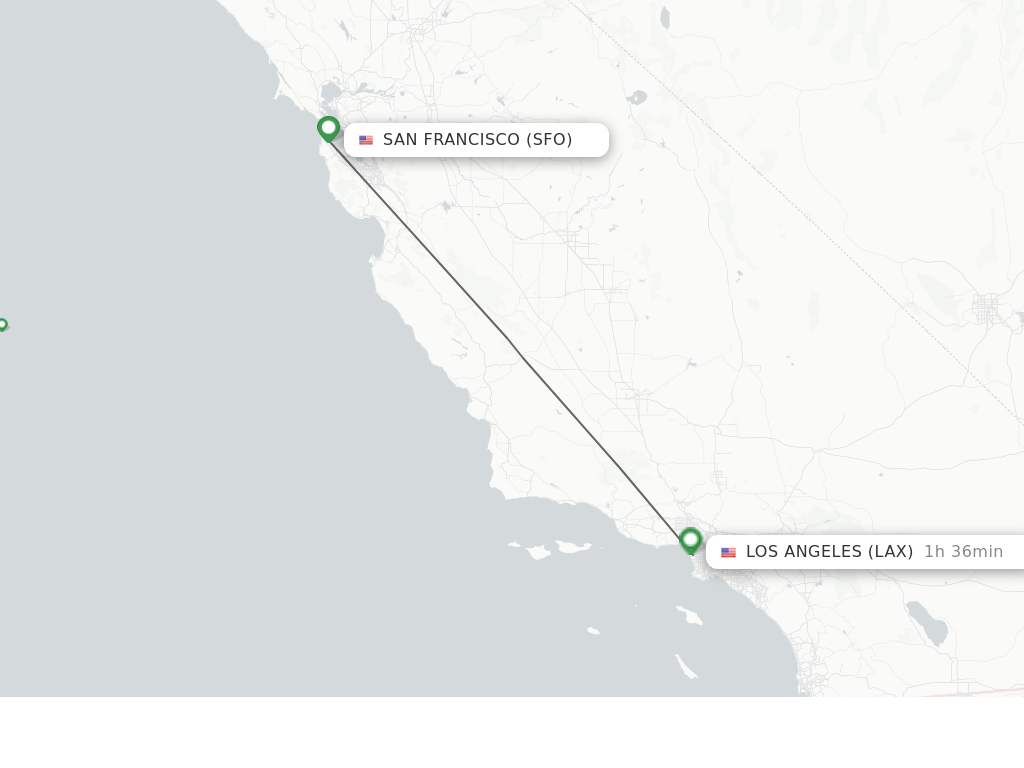
While these flights drive economic growth, they also have an environmental footprint. Aviation’s impact on carbon emissions is a well-recognized concern, and flights between SFO and LAX are no exception. Reducing their environmental impact is essential for addressing climate change challenges.
Efficiency Improvements
Efforts are underway to enhance flight efficiency and minimize environmental harm, including the adoption of fuel-efficient aircraft, advanced navigation tools to optimize routes, and the development of sustainable alternative fuels. Industry and regulatory initiatives also focus on modernizing air traffic systems to boost efficiency and cut emissions.
The Role of Flights Between SFO and LAX in the Aviation Network
Hub and Spoke Model
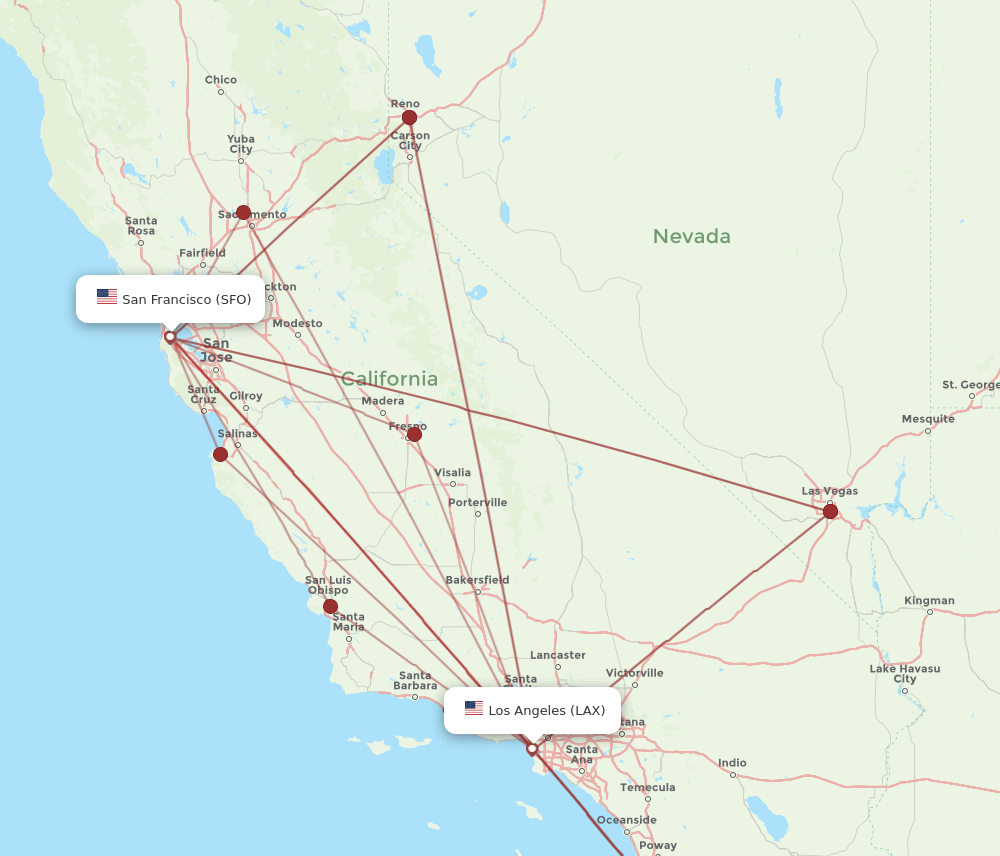
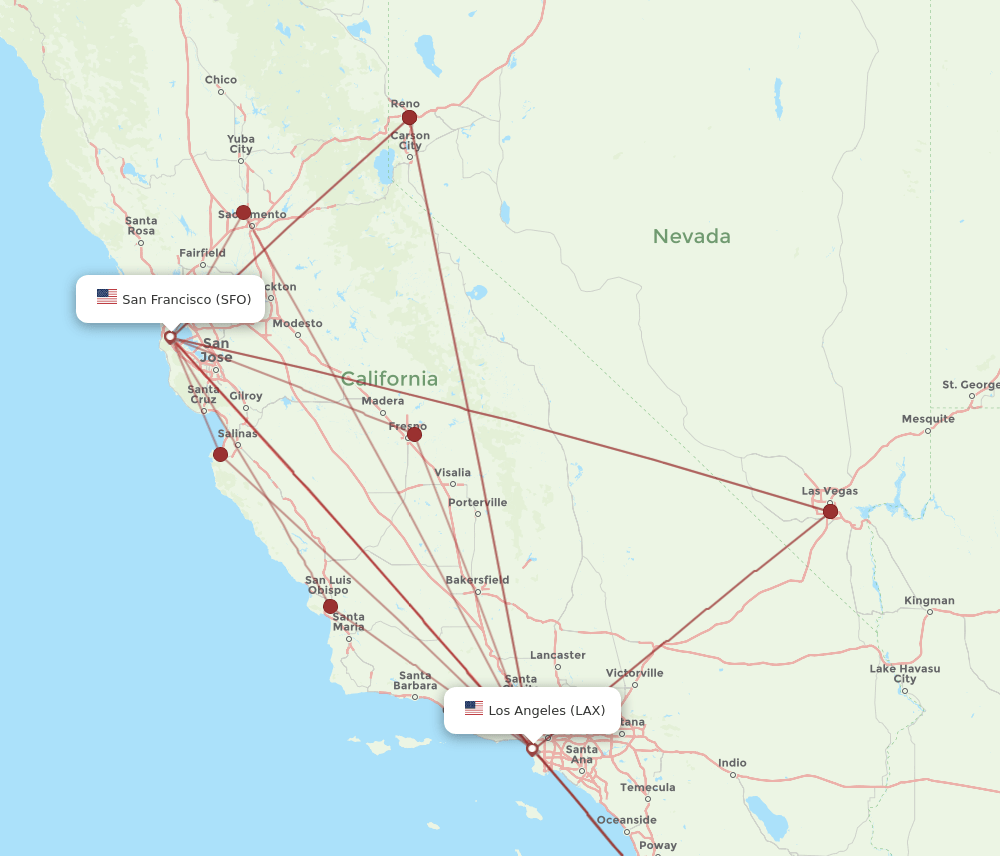
These flights are integral to the hub-and-spoke model of air travel. Both airports act as key hubs, linking global flights to destinations across the U.S. and beyond, enabling efficient, cost-effective transport of passengers and cargo.
Competition and Collaboration
Competition between the two airports for passengers and airlines is strong, as both offer extensive domestic and international flight options. They also collaborate on initiatives to enhance services—such as improving air traffic management and reducing delays—to benefit travelers and airlines alike.
Conclusion
Flights between SFO and LAX are vital to the economic growth of the San Francisco Bay Area and Southern California. They contribute significantly to local economies, support thousands of jobs, and facilitate business travel and tourism. However, their environmental impact cannot be overlooked, and ongoing efforts aim to improve efficiency and reduce emissions. As the aviation industry evolves, balancing economic growth with environmental responsibility remains a key priority.
Recommendations and Future Research
To further optimize the benefits of these flights, the following recommendations are proposed:
– Continue investing in technology and infrastructure to improve flight efficiency and reduce environmental impact.
– Encourage airlines to expand direct flight options between the two airports to cut travel time and enhance customer satisfaction.
– Support the development of alternative fuels and other sustainable aviation practices.
Future research should focus on the following areas:
– The long-term economic and environmental effects of these flights.
– The effectiveness of policies and initiatives aimed at reducing aviation’s carbon footprint.
– The role of these flights in the global aviation network and their potential for future growth.