
Title: Urban Dynamics of Major U.S. Metropolises: A Comparative Analysis
Introduction:
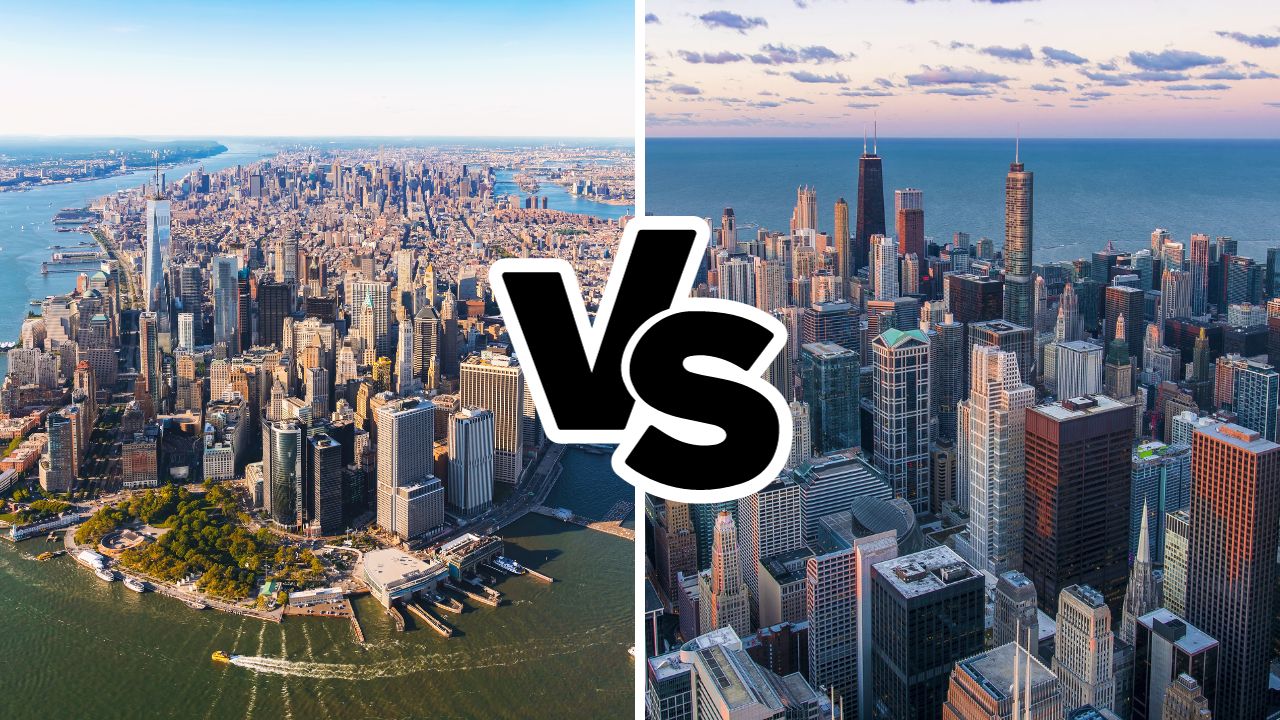
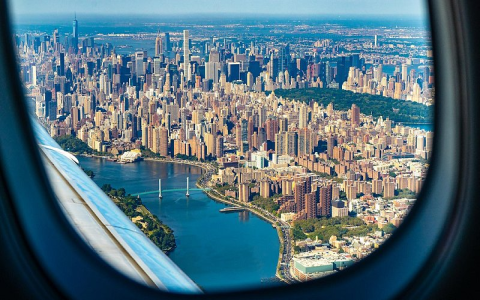
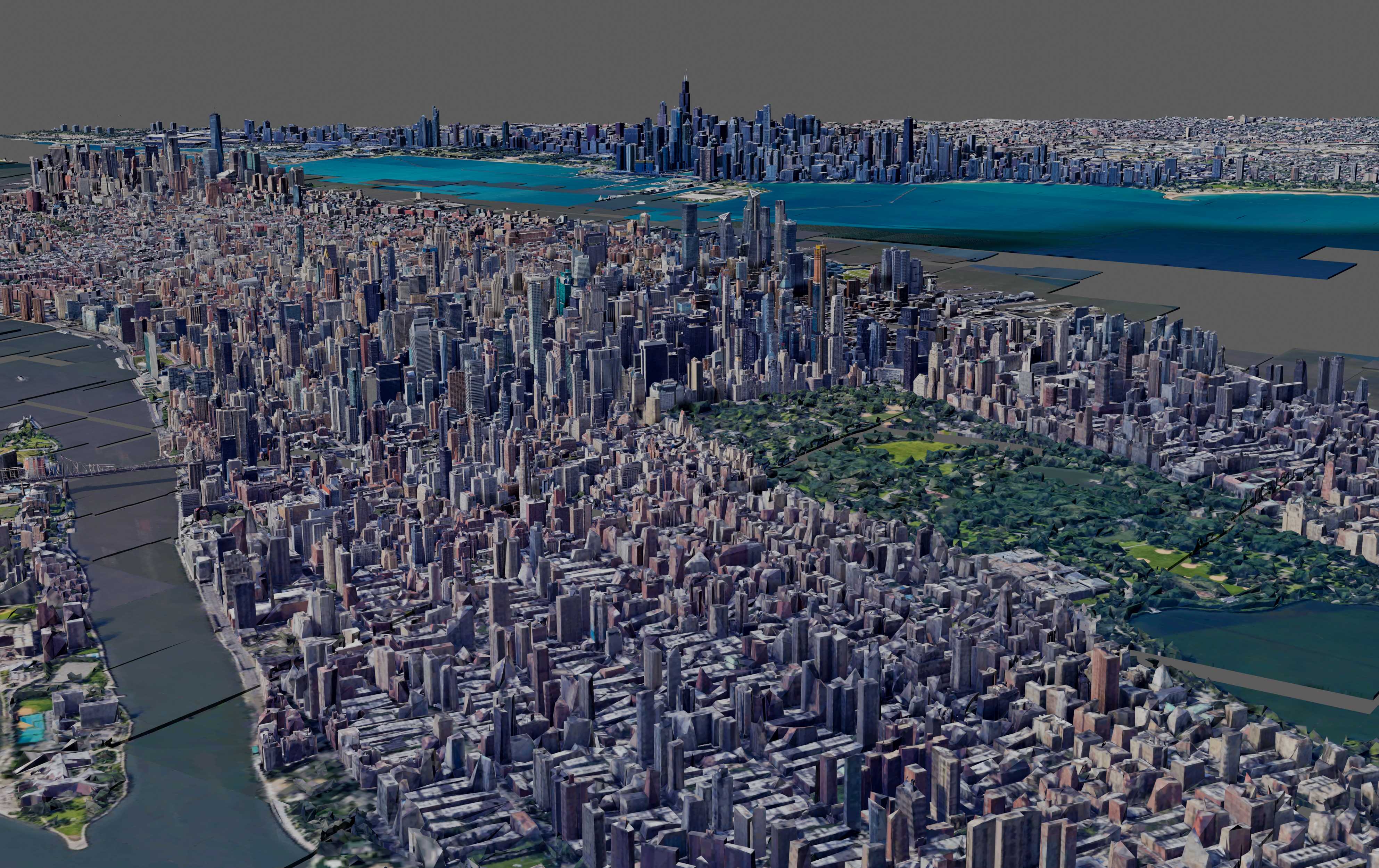
New York City (NYC) and Chicago are two of the most iconic cities in the United States, each shaped by distinct urban dynamics. This article offers a comprehensive comparative analysis of these two global hubs, focusing on their economic, cultural, and social dimensions. By examining their similarities and differences, we can gain insights into the factors driving their success as leading metropolises.
Economic Dynamics
New York City:
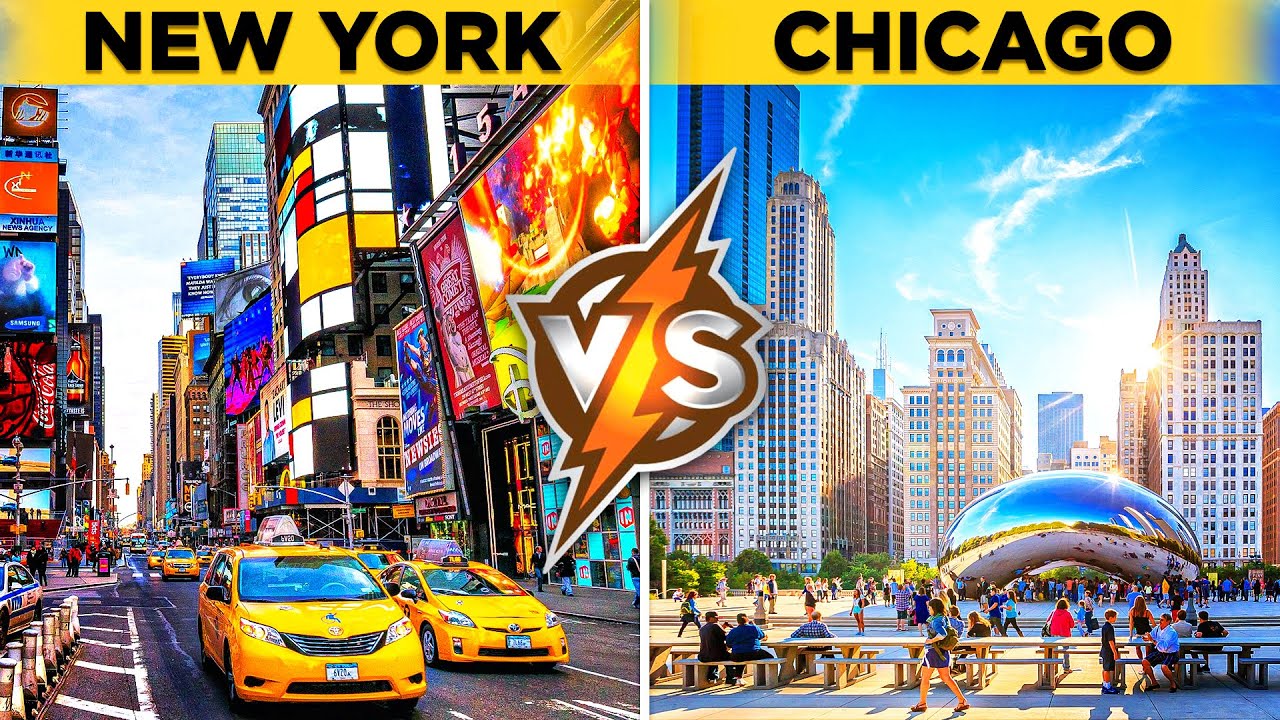
NYC is widely recognized as a global financial hub, with a robust economy fueled by sectors like finance, real estate, and media. Its growth stems from a strategic location, diverse population, and strong infrastructure. The city’s financial district is home to major global institutions, solidifying its role as a center for finance and investment.
Chicago:
Chicago, by contrast, boasts a diversified economy spanning manufacturing, finance, and tourism. Its growth is bolstered by a strategic location along key waterways, facilitating trade and transportation. The city’s financial sector has expanded in recent years, with major banks and institutions establishing a presence there.
Cultural Dynamics
New York City:
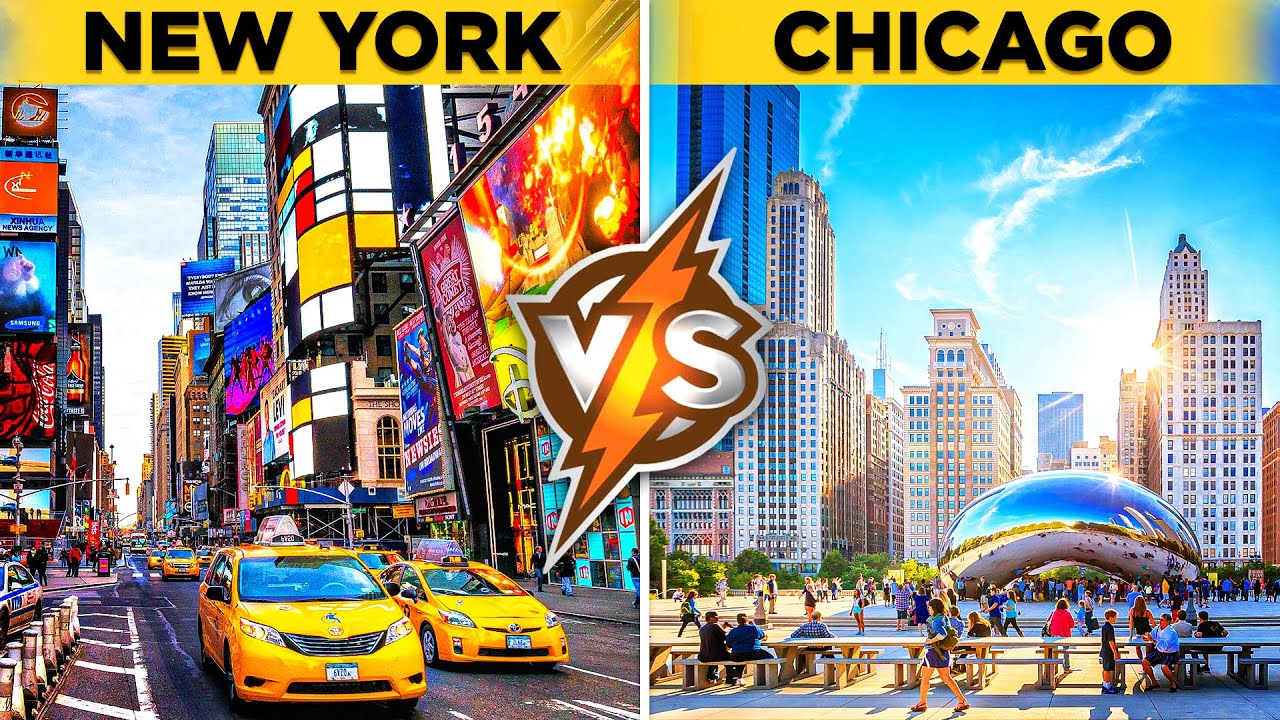
NYC is celebrated for its cultural richness, featuring a tapestry of ethnic communities, art, and entertainment. It hosts numerous museums, theaters, and galleries, making it a global arts center. Its vibrant music and fashion industries attract creators from around the world, enhancing its cultural scene.
Chicago:
Chicago also offers a vibrant cultural landscape, rooted in its rich history of jazz, blues, and rock music. It is home to renowned institutions like the Art Institute of Chicago, the Museum of Science and Industry, and the Chicago Symphony Orchestra. Festivals, parades, and events further celebrate the city’s diverse heritage.

Social Dynamics
New York City:
NYC is characterized by high population density, presenting challenges like housing affordability and income inequality. Despite these, the city has made progress addressing social issues, including improving public transportation and expanding healthcare access.
Chicago:
Chicago similarly confronts social challenges, such as income inequality and public safety concerns. However, it has implemented initiatives to enhance public safety and support underserved communities, helping stabilize its social fabric and foster inclusivity.
Comparative Analysis
While NYC and Chicago share key traits—including their status as global metropolises and diverse populations—they also have distinct features that set them apart.
1. Economic Focus:
NYC’s economy leans heavily on finance and real estate, whereas Chicago’s is more balanced, with strong manufacturing and tourism sectors.
2. Cultural Scene:
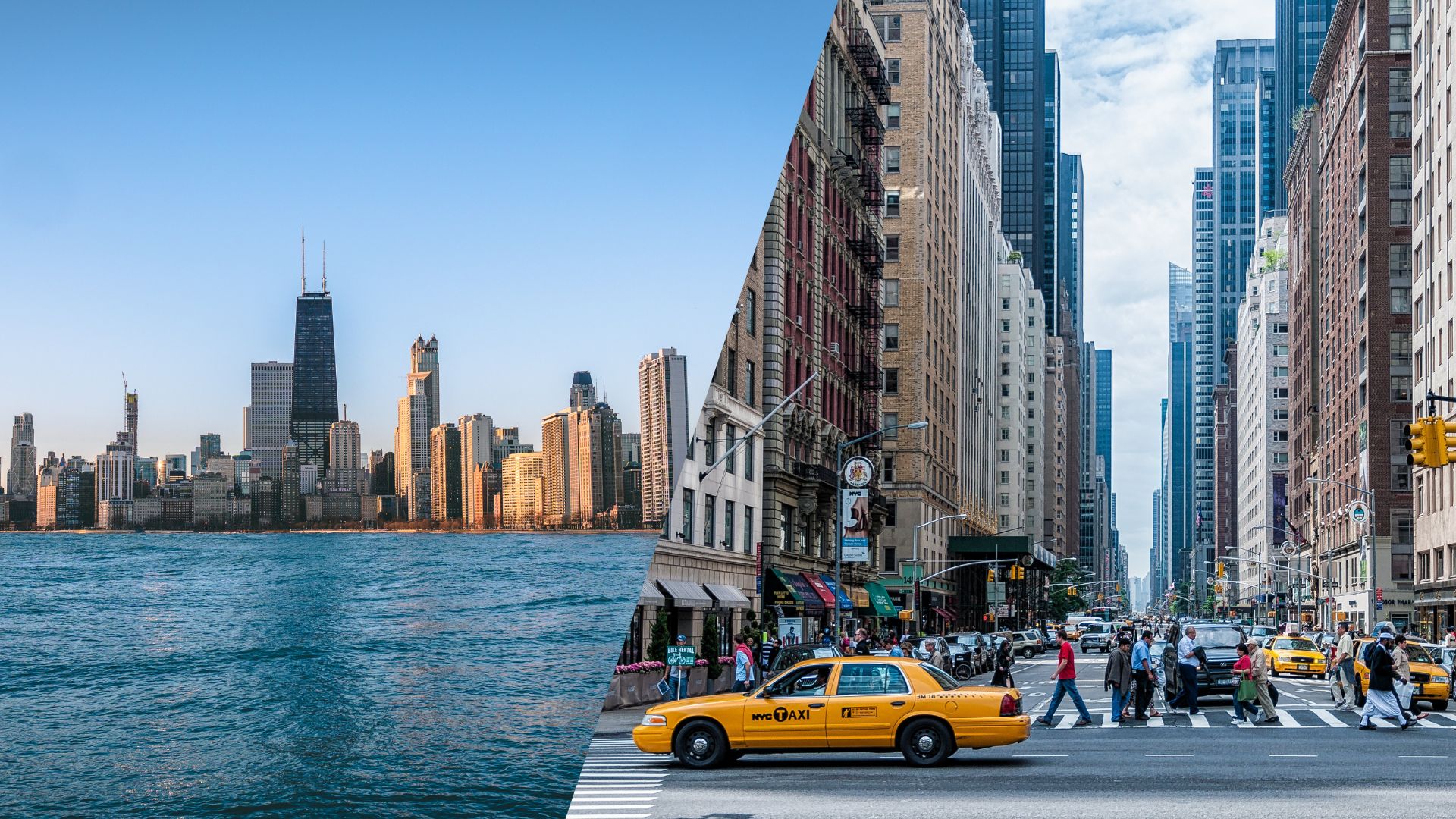
NYC’s cultural scene is broader and more dynamic, with a wide array of art, music, and entertainment offerings. Chicago’s cultural landscape is vibrant too, but it emphasizes music and theater more prominently.
3. Social Challenges:
Both cities grapple with shared social challenges like income inequality and public safety issues, but their approaches differ: NYC focuses on enhancing public transit and healthcare access, while Chicago prioritizes public safety initiatives and support for underserved communities.
Conclusion:
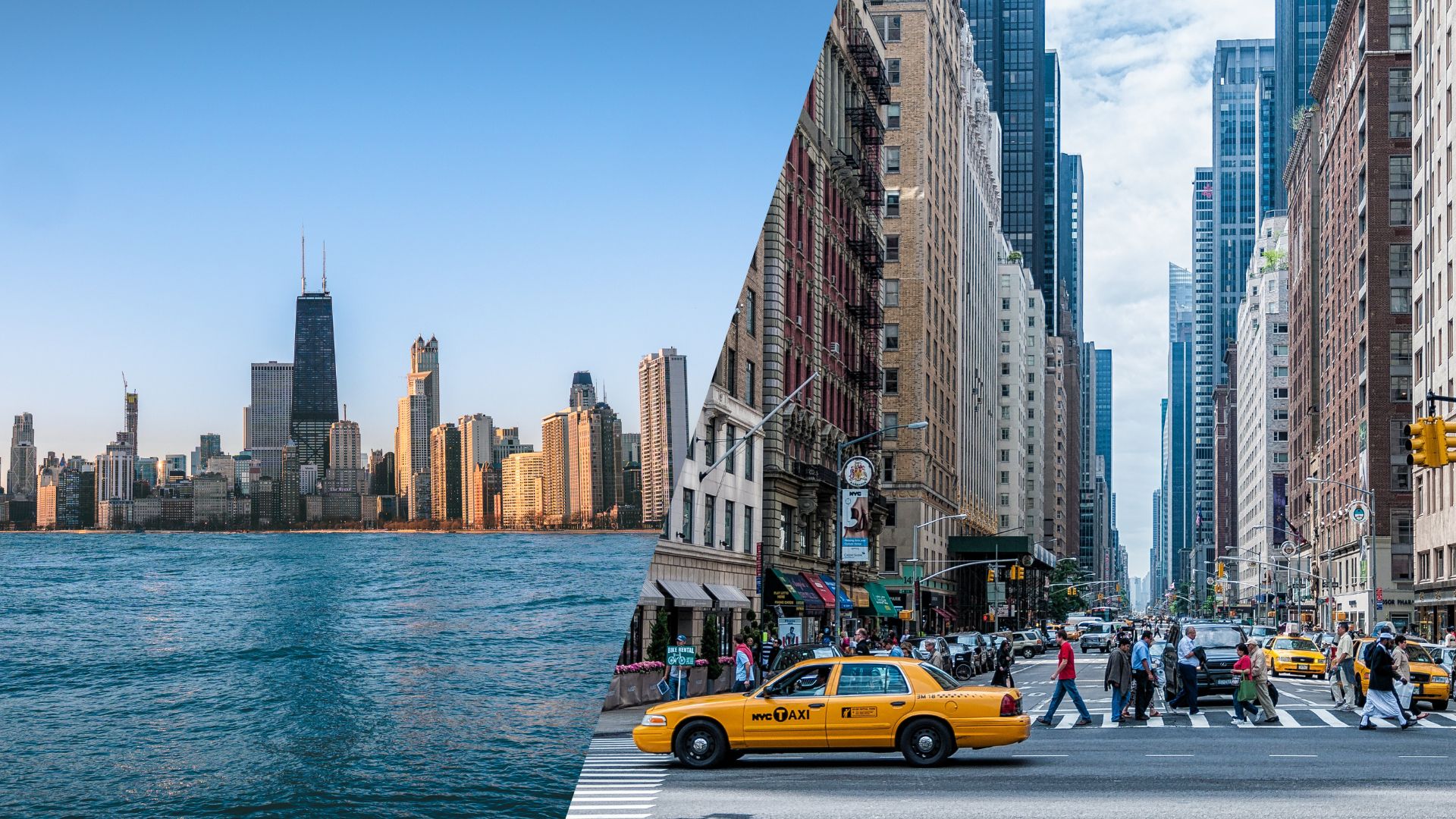
In summary, NYC and Chicago are iconic global cities with unique urban identities. While they share similarities in their global status and diverse populations, their distinct economic, cultural, and social traits shape their individual trajectories. Examining these dimensions offers valuable insights into what drives success as a global metropolis. As the cities evolve, it will be interesting to see how they address future challenges and opportunities.
Recommendations:
To strengthen the urban dynamics of both cities, stakeholders could consider the following:
1. Invest in affordable housing initiatives to mitigate income inequality and improve housing access.
2. Continue expanding public transportation networks to boost accessibility and reduce congestion.
3. Support local businesses and entrepreneurs to drive economic growth and job creation.
4. Implement comprehensive social programs to address persistent challenges like crime and income inequality.
Future Research:
Future research could delve into:
1. The impact of climate change on the urban development of NYC and Chicago.
2. How technology is shaping the future of these two cities.
3. The effectiveness of various social programs in addressing urban challenges.