


The Rise and Impact of Low-Cost Flight Providers
Introduction
The aviation industry has undergone a significant transformation over recent decades, with the emergence of low-cost flight providers playing a pivotal role. These airlines have revolutionized travel, making air transport more accessible and affordable for a broader cross-section of people. This article explores the rise of low-cost flight providers, their impact on the aviation sector, and implications for consumers and the environment.

The Emergence of Low-Cost Flight Providers
Background
The concept of low-cost flight providers traces back to the 1970s, when aviation deregulation opened the door to increased competition. However, the term “budget airline” only gained widespread popularity in the late 1990s. These carriers focused on aggressive cost-cutting to offer low fares, targeting price-sensitive travelers.
Key Players
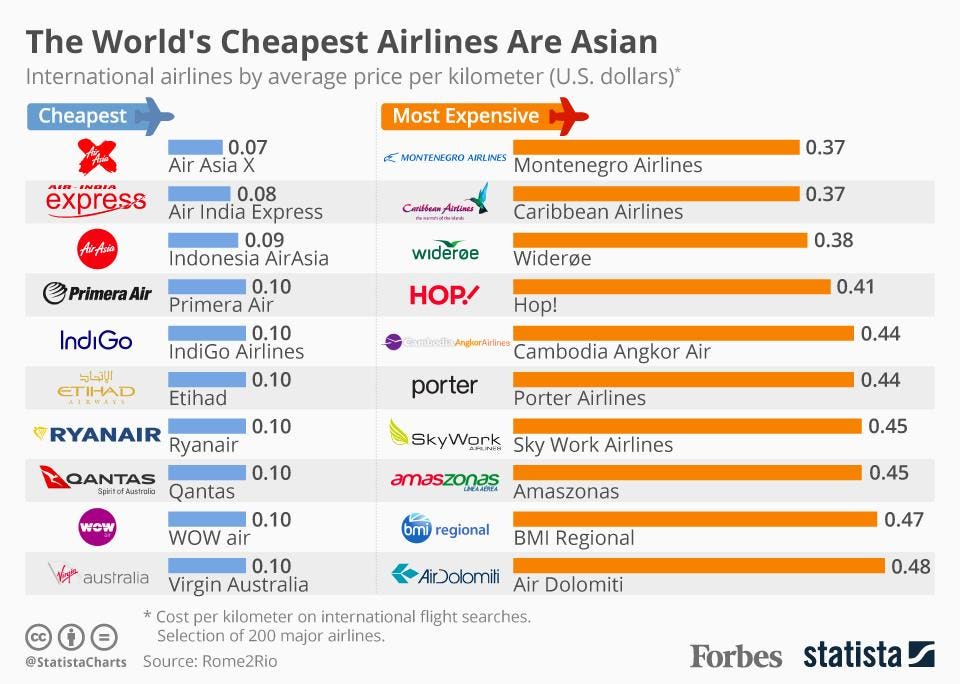
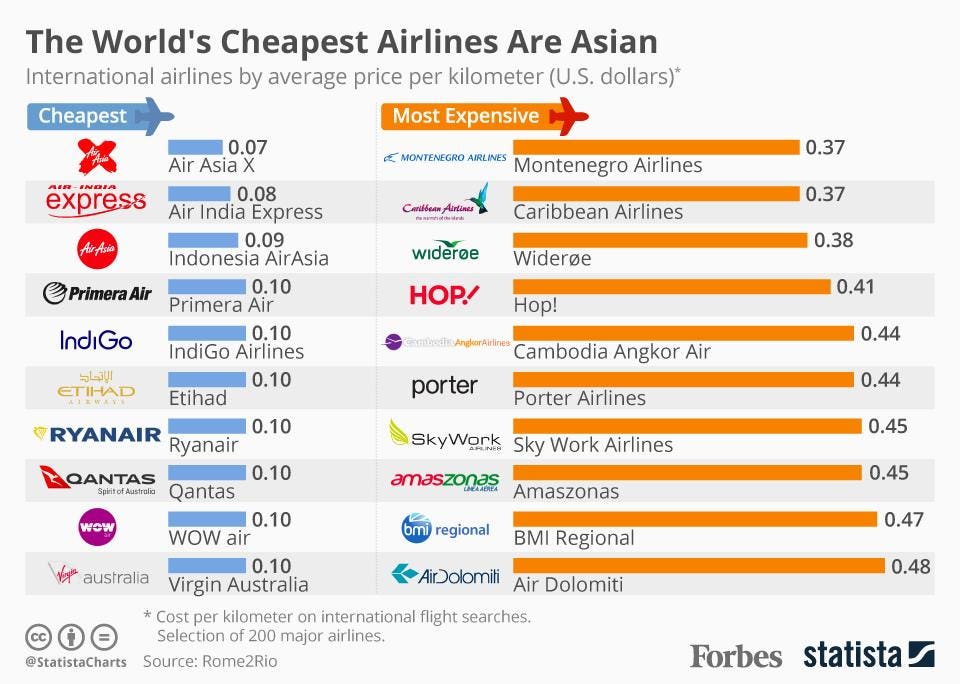
Several airlines have become synonymous with the low-cost flight industry, implementing innovative strategies to reduce costs—such as point-to-point routes, no-frills services, and streamlined operations.
Impact on the Aviation Industry
Increased Competition
The entry of low-cost flight providers has intensified competition in the aviation industry. Traditional airlines have adapted by offering competitive fares and enhancing services to retain customers, leading to lower average ticket prices and more choices for travelers.
Market Expansion
Low-cost flight providers have expanded the air travel market by making it more affordable, resulting in a significant rise in passenger numbers—particularly in Europe and North America.
Job Creation
The growth of low-cost flight providers has contributed to job creation, as these airlines require a large workforce to manage operations, customer service, and maintenance.
Implications for Consumers
Affordability
The most notable impact on consumers is the affordability of air travel. Many who previously could not afford to fly now have the opportunity to travel for leisure or business.
Choice

Consumers now have a wider range of air travel options. Low-cost providers offer direct flights to destinations previously only served by traditional airlines, giving travelers more choices.
Convenience
While low-cost airlines may not match the comfort levels of traditional carriers, they often offer convenient services like online check-in and flexible booking options.
Environmental Concerns

Carbon Emissions
The growth of low-cost flight providers has raised concerns about carbon emissions. Though these airlines offer lower fares, they contribute to increased air travel, which can lead to higher carbon emissions.
Efforts to Reduce Emissions
Despite these concerns, some low-cost airlines are taking steps to minimize their environmental impact. For example, they have invested in more fuel-efficient aircraft and implemented carbon offset programs.

Conclusion
The rise of low-cost flight providers has profoundly impacted the aviation industry, making air travel more accessible and affordable for consumers. While environmental concerns persist, these airlines are also taking steps to mitigate their carbon emissions. As the aviation sector continues to evolve, it will be interesting to see how low-cost providers adapt and what new challenges they face.
Recommendations and Future Research
Recommendations

1. Authorities may consider supporting the sustainable growth of low-cost flight providers to foster competition and affordability in the aviation industry.
2. Low-cost flight providers should invest in more fuel-efficient aircraft and explore alternative fuels to reduce their carbon footprint.
3. Consumers should be mindful of the environmental impact of their travel choices and consider offsetting their carbon emissions where possible.
Future Research

1. The long-term environmental impact of low-cost flight providers on the aviation industry.
2. The role of technology in further reducing the costs and environmental impact of air travel.
3. The potential for collaboration between low-cost flight providers and traditional airlines to offer a more comprehensive range of services.

