

Title: The Significance of Standard Carry-On Luggage Size in Air Travel: A Comprehensive Analysis
Introduction
Air travel has become an integral part of modern life, connecting people to distant destinations in hours. A key aspect of air travel is managing personal belongings, especially carry-on luggage. This article explores the importance of carry-on luggage size guidelines in air travel, their impact on passengers, and implications for airlines. By analyzing various facets of these guidelines, we offer insights into their significance and suggest potential improvements.
The Standard Carry-On Luggage Size: What It Is and Why It Matters
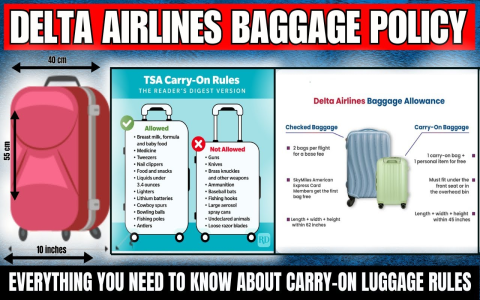
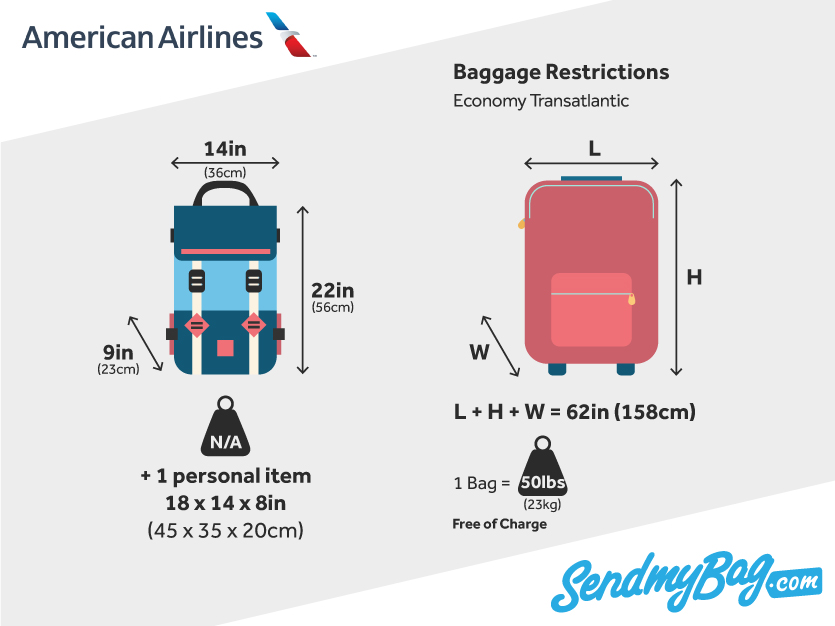
Standard carry-on luggage size guidelines refer to the dimensions and weight limits airlines set for personal items passengers bring on board. These restrictions ensure safety, efficiency, and convenience for all travelers. Common guidelines typically include dimensions of around 56cm x 45cm x 25cm (22in x 18in x 10in) and a weight limit of approximately 7kg (15lb).

The significance of these guidelines lies in their ability to streamline the boarding process, reduce the risk of lost luggage, and enhance the overall travel experience. By enforcing specific size and weight limits, airlines can ensure overhead bins are sufficient to accommodate all carry-on items, minimizing the need for checked baggage and associated fees.
The Impact of Carry-On Size Guidelines on Passengers
These guidelines have both positive and negative impacts on passengers. On the positive side, following size limits lets travelers easily access their personal items during flights, reducing the risk of losing important belongings. Additionally, passengers who comply can avoid extra fees for checked baggage.
However, these guidelines can also present challenges. For example, travelers with larger or bulkier items may struggle to fit their luggage within specified dimensions, leading to inconvenience or potential fees. Moreover, limited overhead bin space can make storing carry-ons difficult, especially during peak travel periods.
The Role of Carry-On Size Guidelines in Airline Operations
Carry-on size guidelines play a crucial role in airline operations. Enforcing size and weight limits helps airlines optimize overhead bin use, reducing the risk of overfilled bins that could pose safety hazards. Additionally, compliance with these guidelines can minimize lost or delayed bags, improving customer satisfaction.

Furthermore, these guidelines can affect airline revenue. Encouraging passengers to carry on luggage reduces the number of checked bags, lowering costs associated with handling and transporting checked items. This can boost airlines’ profitability.
The Challenges of Adhering to Carry-On Size Guidelines
Despite the benefits, there are challenges to adhering to these guidelines. A primary challenge is the variation in luggage sizes and shapes among passengers, making it hard to determine compliance and leading to confusion or potential fees.
Another challenge is the lack of fully standardized luggage measurements. While guidelines provide a general framework, actual luggage dimensions can vary, making compliance verification tricky for passengers.
The Future of Carry-On Size Guidelines
The future of carry-on size guidelines will likely involve ongoing improvements and adjustments. Airlines may consider more flexible limits that account for diverse passenger needs. Additionally, technology like mobile apps or airport kiosks could help travelers check if their luggage meets guidelines before boarding.
Airlines may also explore alternative carry-on management options, such as designated storage areas or partnerships with airport luggage storage services.
Conclusion
In conclusion, carry-on size guidelines are crucial to air travel, affecting both passengers and airlines. By adhering to these limits, airlines can optimize operations, reduce costs, and enhance the travel experience. However, challenges must be addressed to ensure compliance and minimize passenger inconvenience. As the aviation industry evolves, it’s essential to consider the future of these guidelines and explore innovative solutions that meet the needs of both travelers and airlines.

