

The Ultimate Guide to Flying to Singapore: A Comprehensive Overview
Introduction
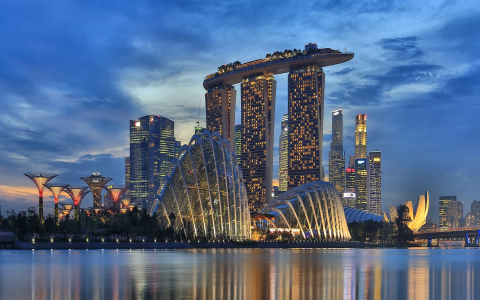
Singapore, often called the Lion City, is a dynamic metropolis celebrated for its cultural diversity, economic vitality, and striking architecture. Strategically located in Southeast Asia, it’s a top choice for both leisure and business travelers. This guide aims to cover all key aspects of flying to Singapore—from flight options and travel tips to the unique experiences waiting upon arrival.
Flight Options to Singapore
Direct Flights
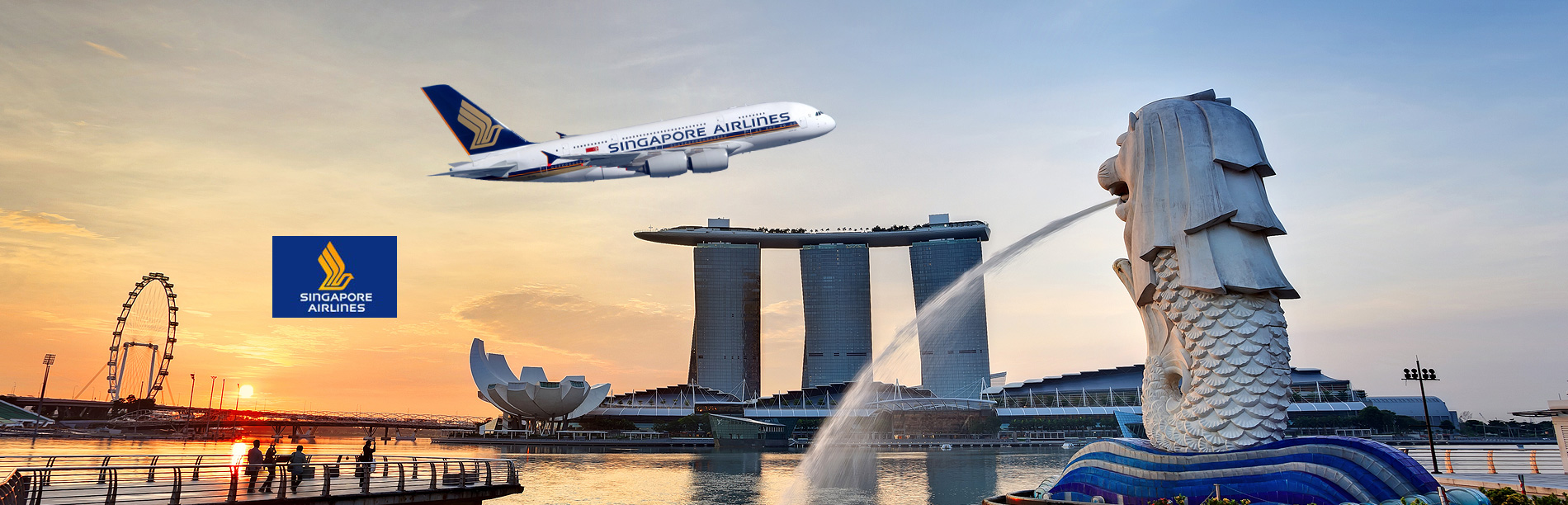
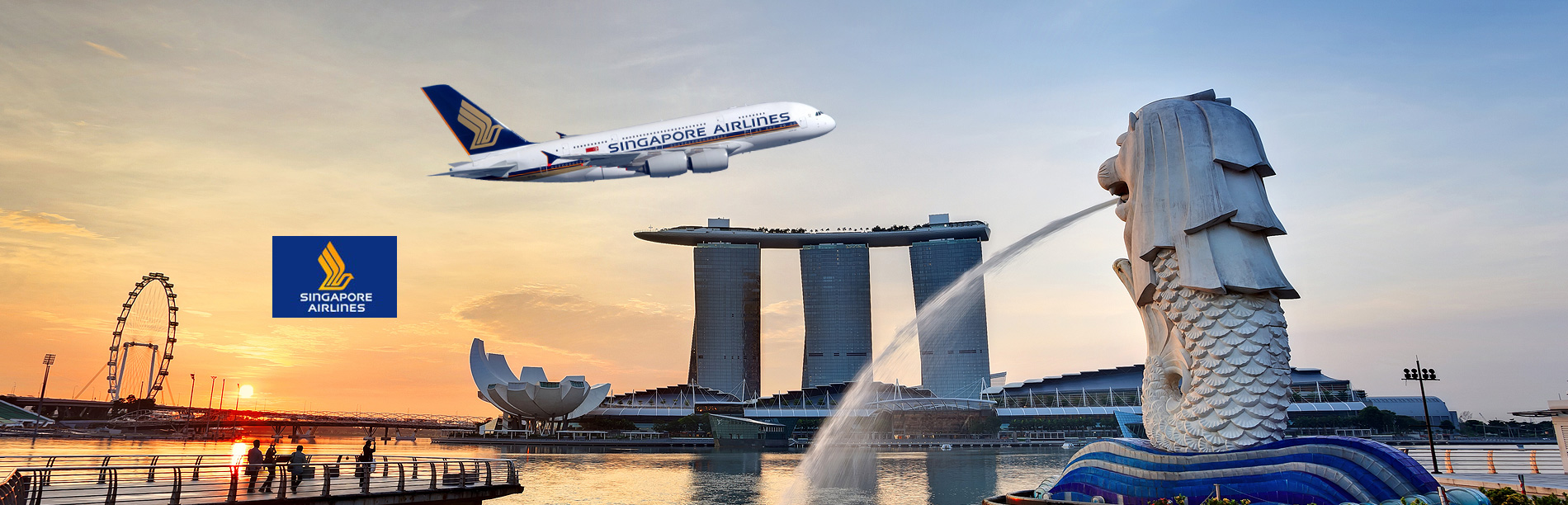
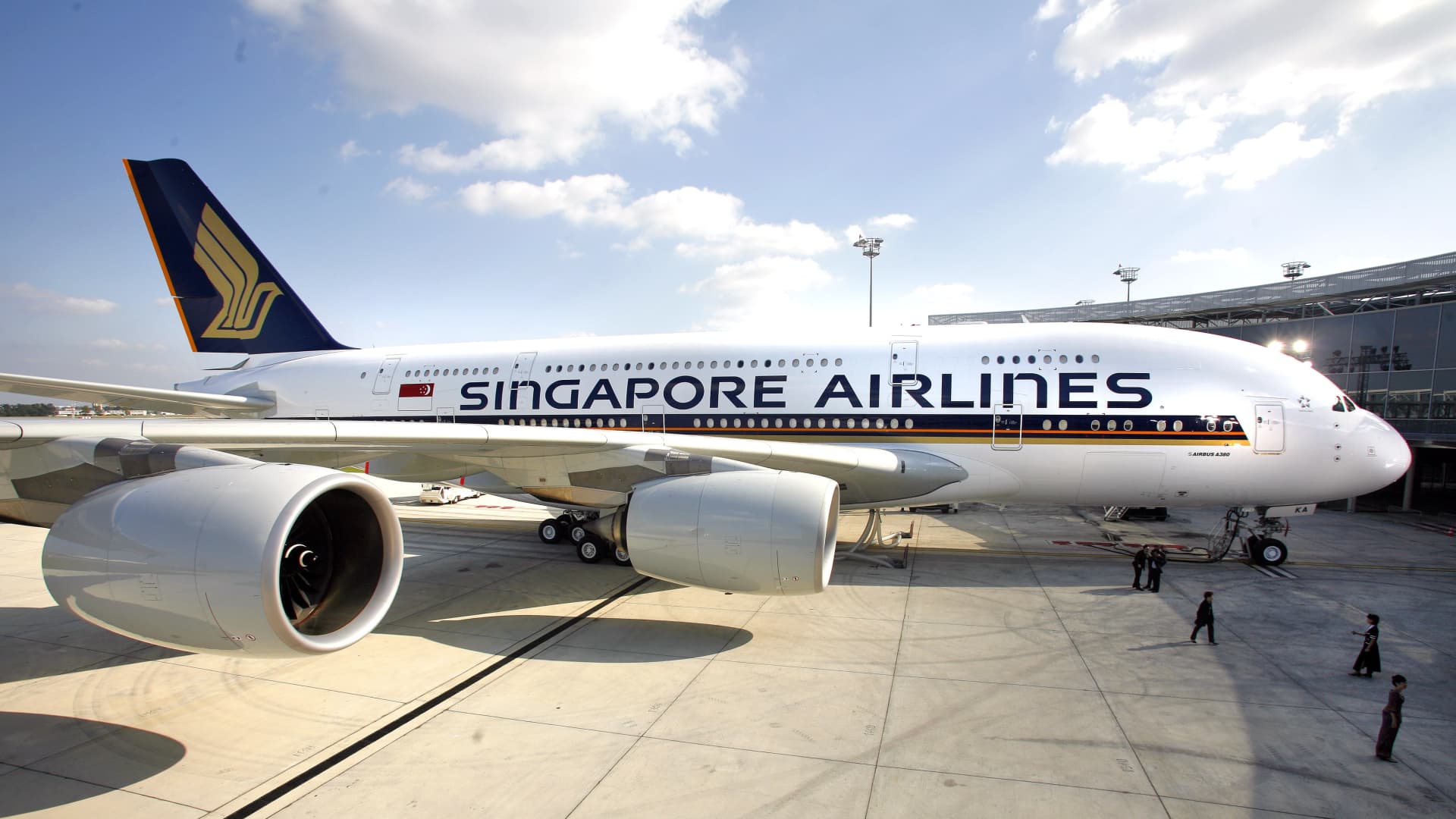
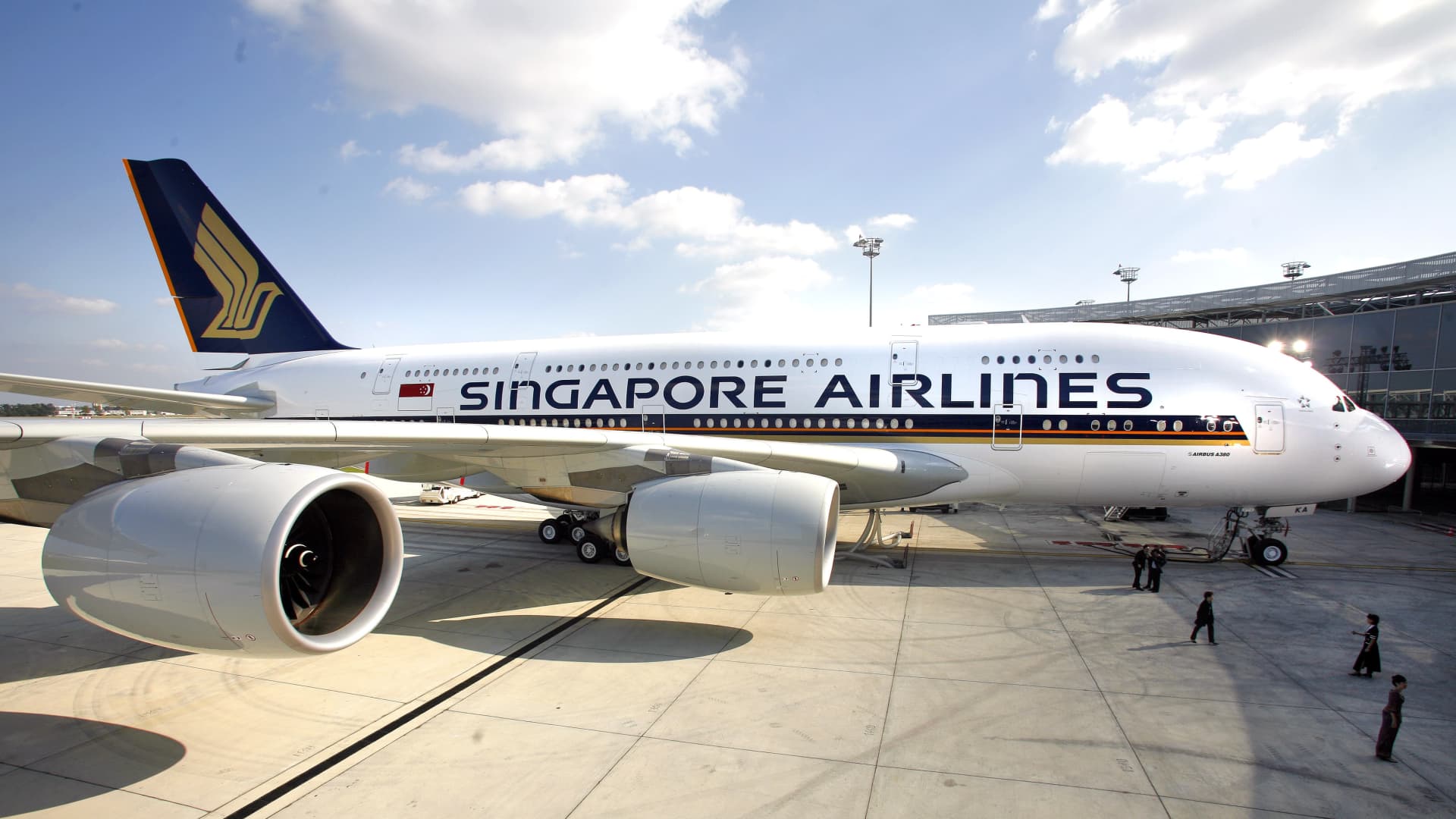
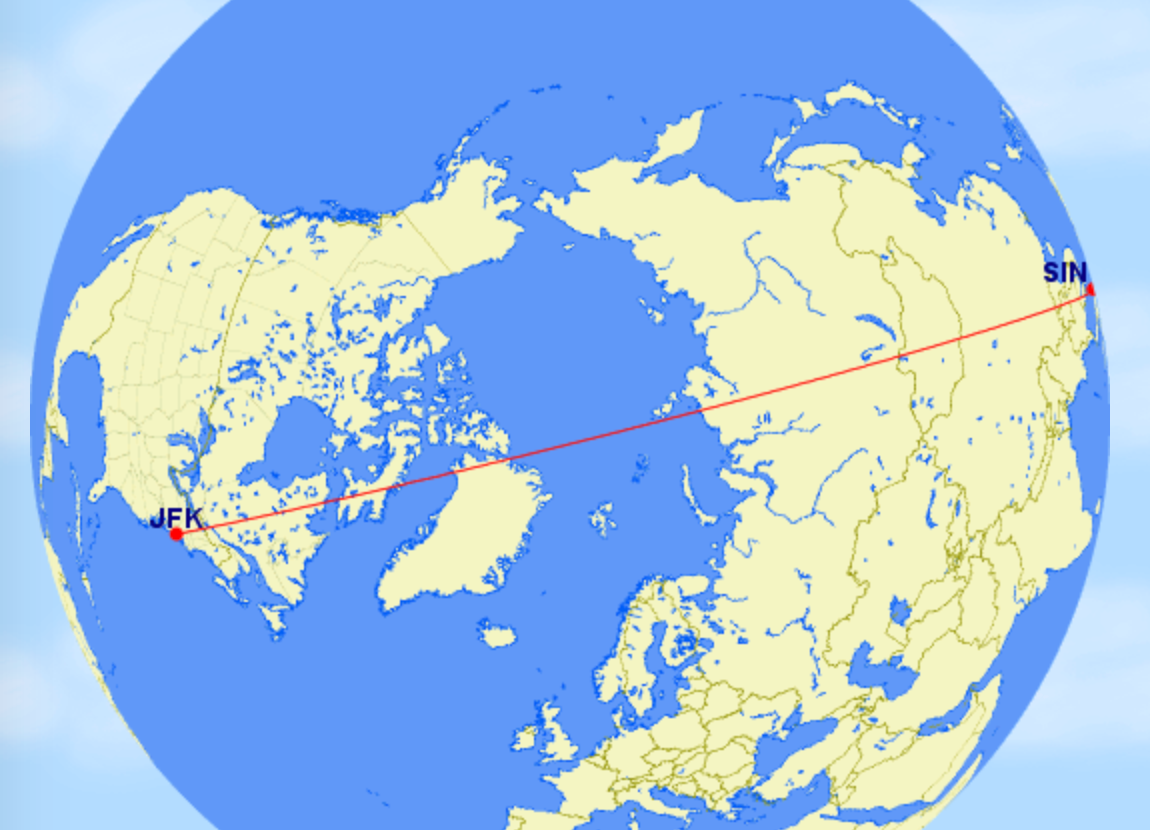
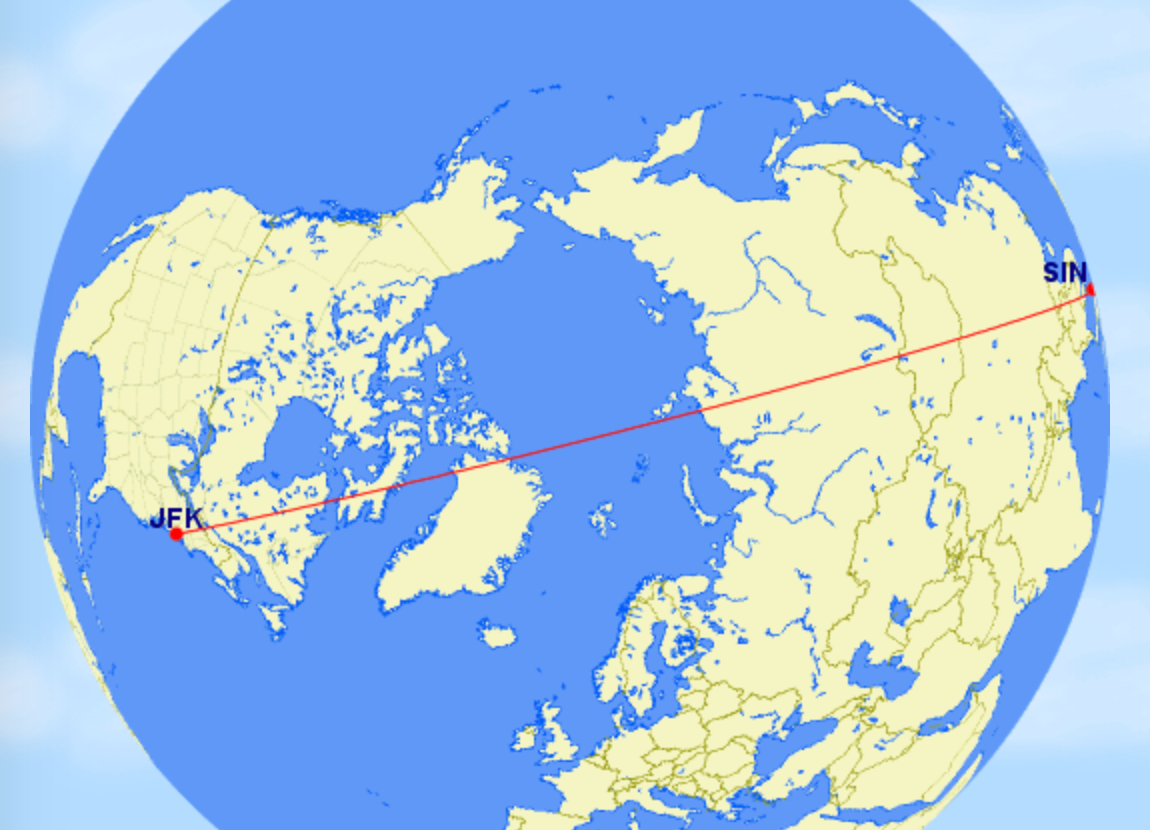
Direct flights are among the most convenient ways to reach Singapore. Major carriers including Singapore Airlines, Malaysia Airlines, and Emirates operate nonstop services from multiple international cities. These flights save time and hassle, eliminating the need for layovers or complex transit steps.
Connecting Flights
If direct flights aren’t available from your departure city, connecting flights are a practical alternative. Many airlines offer connections via key hubs like Dubai, Hong Kong, and Kuala Lumpur. Though they take longer, connecting flights give you more choices and flexibility in where you can depart from.
Budget Airlines
Budget carriers such as AirAsia and Tigerair provide cost-effective flight options to Singapore. They often operate from secondary airports and offer fewer premium amenities, but they’re ideal for travelers looking to save on airfare without sacrificing basic travel needs.
Travel Tips for Flying to Singapore

Booking in Advance
To get the best deals and avoid last-minute price surges, it’s wise to book your flight to Singapore well in advance. Travelers who reserve tickets 3–4 months before departure typically find the most competitive rates.
Choosing the Right Airport
Singapore has two main international airports: Changi Airport and Seletar Airport. Changi is the primary hub, handling most international flights. It’s well-connected to the city center and offers a host of amenities—from shopping and dining to entertainment and relaxation spaces.

Visa Requirements
Before traveling to Singapore, always check the visa requirements for your nationality. The country offers several visa categories, such as tourist, business, and long-term visas. Make sure you have all required documents and permits to enter smoothly.
Travel Insurance
Travel insurance is strongly recommended for your trip to Singapore, especially if you plan to try adventurous activities or explore less urban areas. It covers key concerns like medical expenses, trip cancellations, and lost or delayed luggage.
Unique Experiences in Singapore
Cultural Diversity
Singapore is a cultural melting pot, boasting a rich mix of traditions, languages, and cuisines. Visitors can explore vibrant neighborhoods like Chinatown, Little India, and Arab Street to immerse themselves in this diverse cultural blend.
Shopping Paradise
Singapore is famous for its shopping scene, with options ranging from luxury designer brands to bustling street markets. The city features world-class malls like Marina Bay Sands and ION Orchard, plus lively street markets such as Bugis Street and Little India’s Tekka Centre.
Nature and Parks
Even with its bustling urban landscape, Singapore is home to many parks and nature reserves. The Singapore Botanic Gardens, Gardens by the Bay, and East Coast Park are just a few of the city’s green spaces where visitors can connect with nature and enjoy outdoor activities.
Culinary Delights
Singapore’s food scene is one of its biggest draws. The city offers a diverse range of cuisines—from iconic local dishes like Hainanese chicken rice and laksa to international favorites such as Japanese sushi and Italian pasta.
Conclusion
Flying to Singapore is an exciting journey filled with diverse experiences. With a range of flight options, practical travel tips, and unique attractions, it’s a destination that suits travelers of all interests. By planning ahead, checking visa requirements, and securing travel insurance, you can ensure a smooth, enjoyable trip to the Lion City.
Future Research Directions
Future research could explore topics like the impact of climate change on Singapore’s aviation sector, the economic benefits of direct flights to the city, and how technology enhances the passenger travel experience. Additionally, examining the sustainability practices of airlines serving Singapore could offer insights into the industry’s efforts toward environmental responsibility.

