


Airports in New York City: A Hub of Global Connectivity
Introduction
New York City, often called the Big Apple, is more than a metropolis known for skyscrapers, vibrant culture, and busy streets. It’s also a global air travel hub with several airports acting as gateways to the world. This article explores their significance, role in global connectivity, and impact on the city’s economy and society.
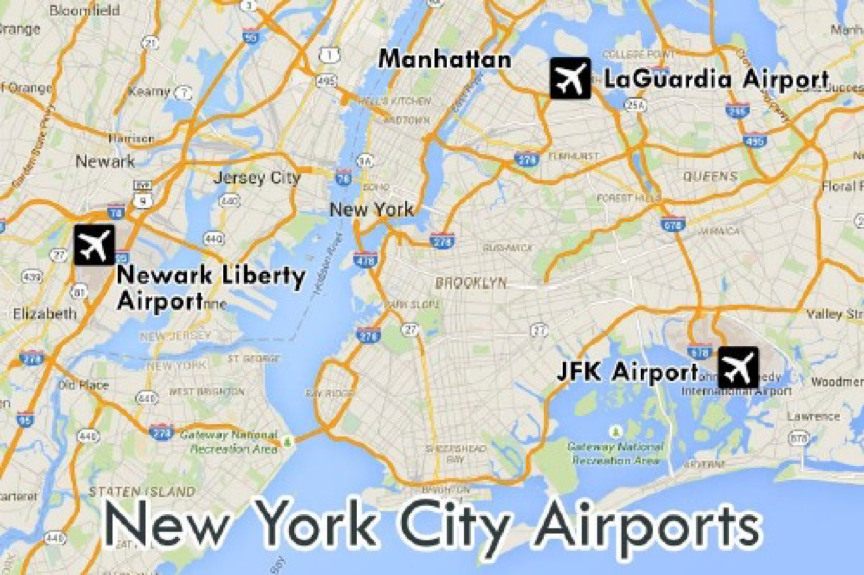
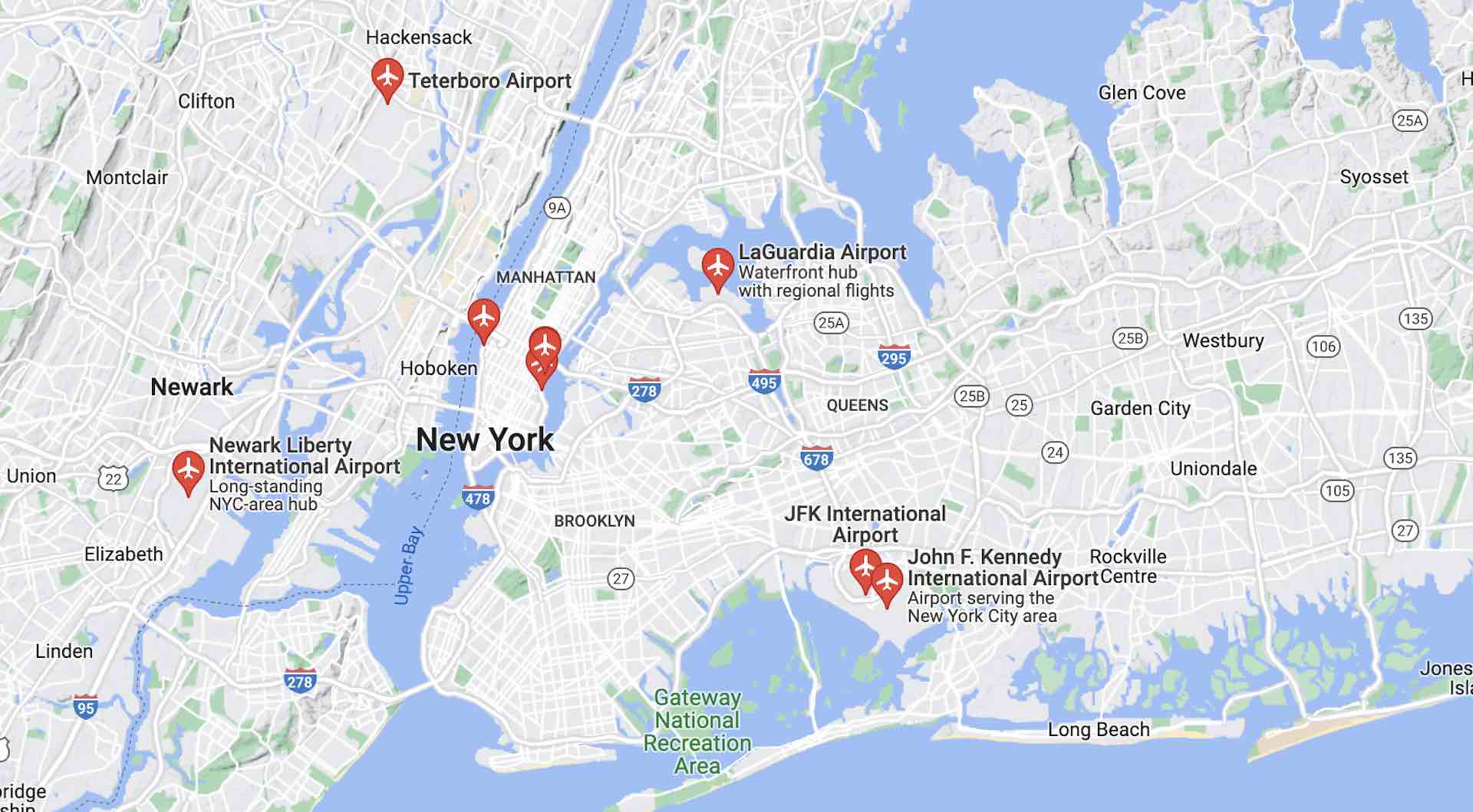
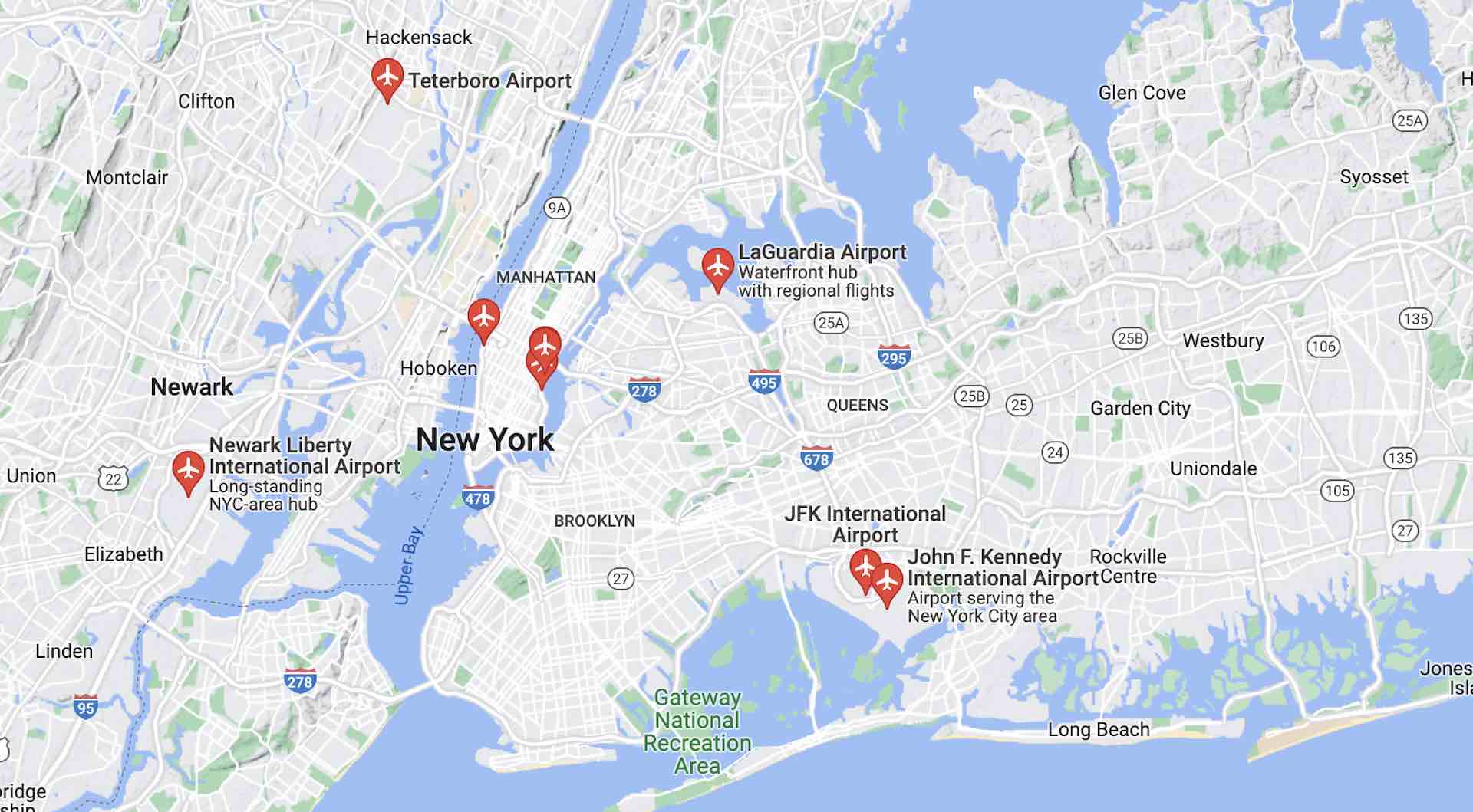
The Major Airports in New York City
John F. Kennedy International Airport (JFK)
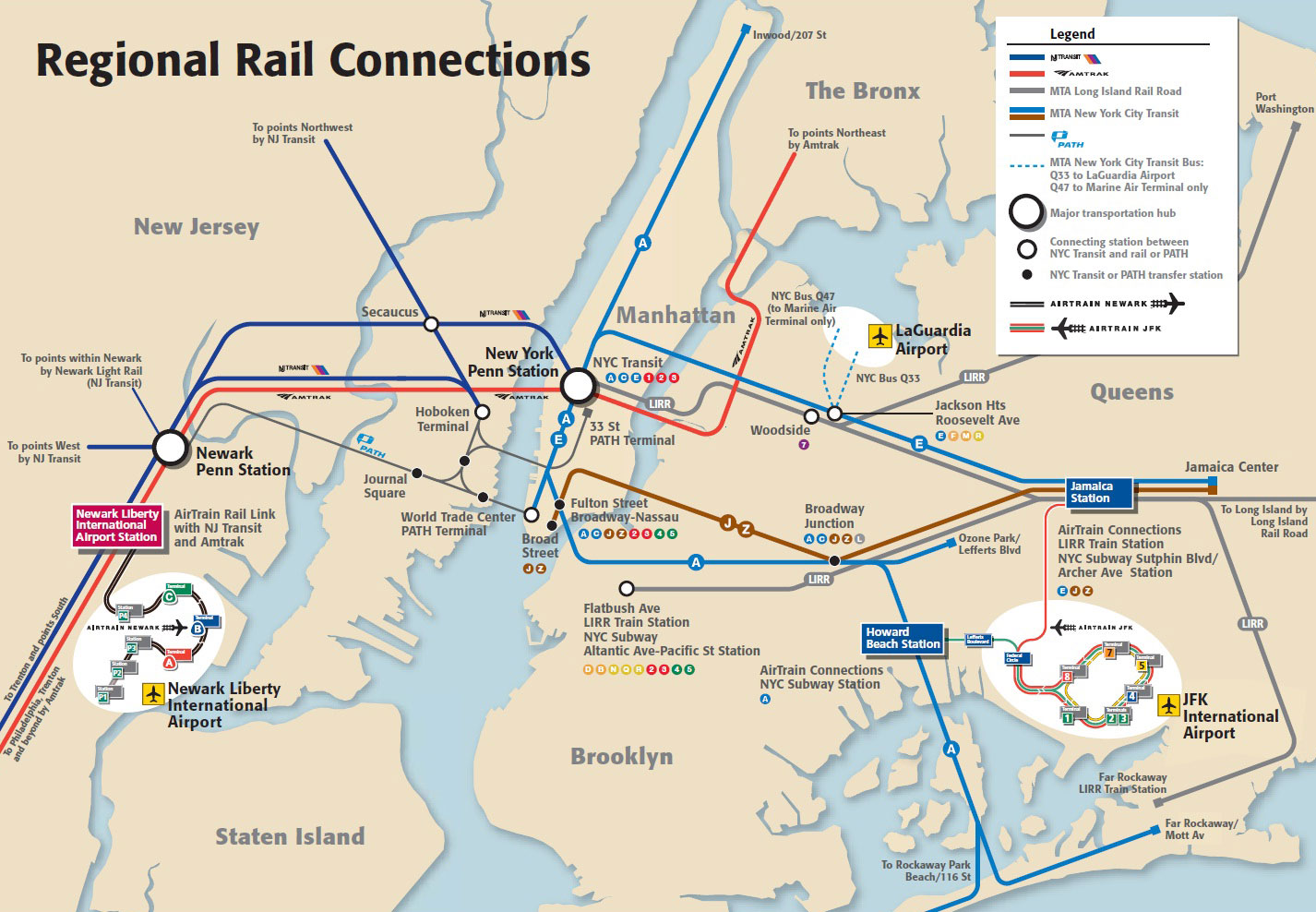
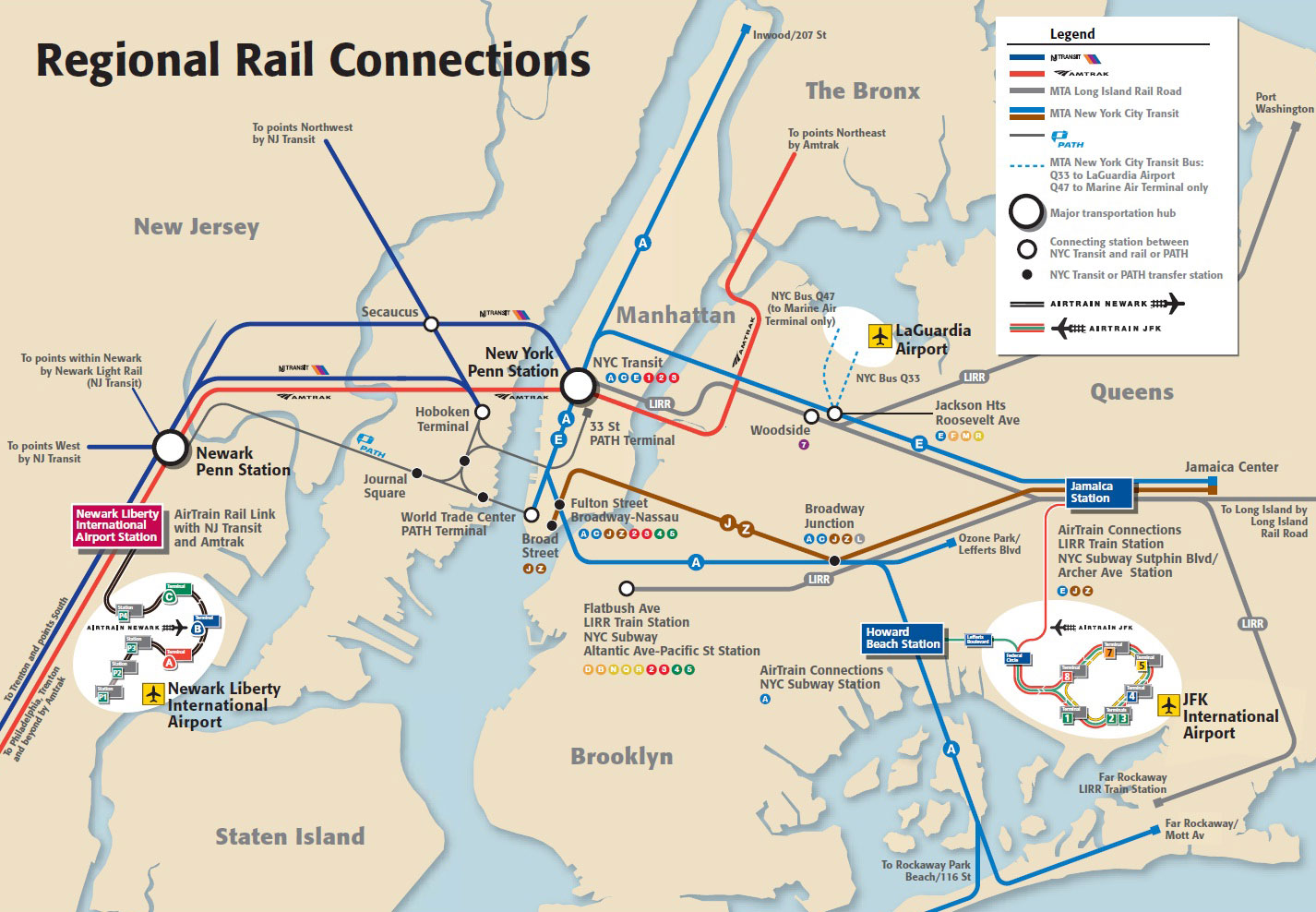
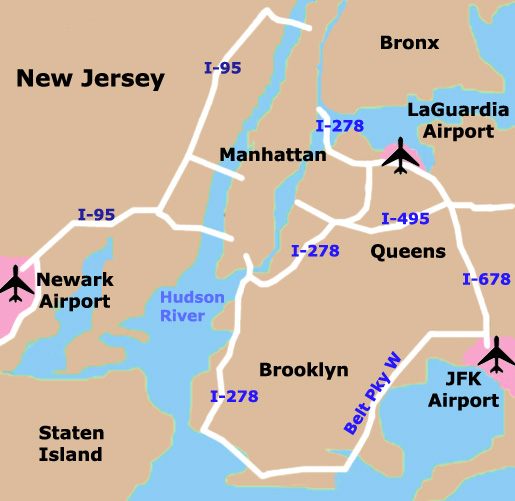
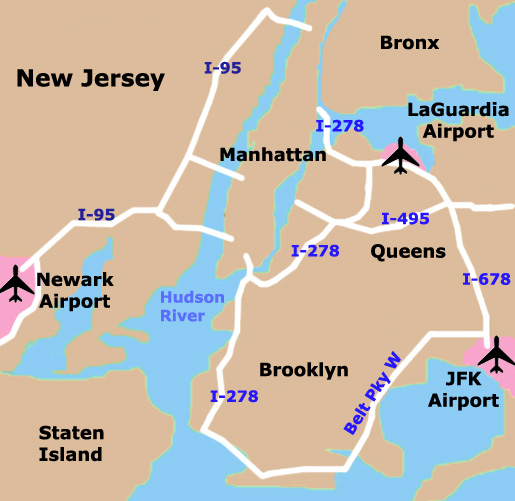
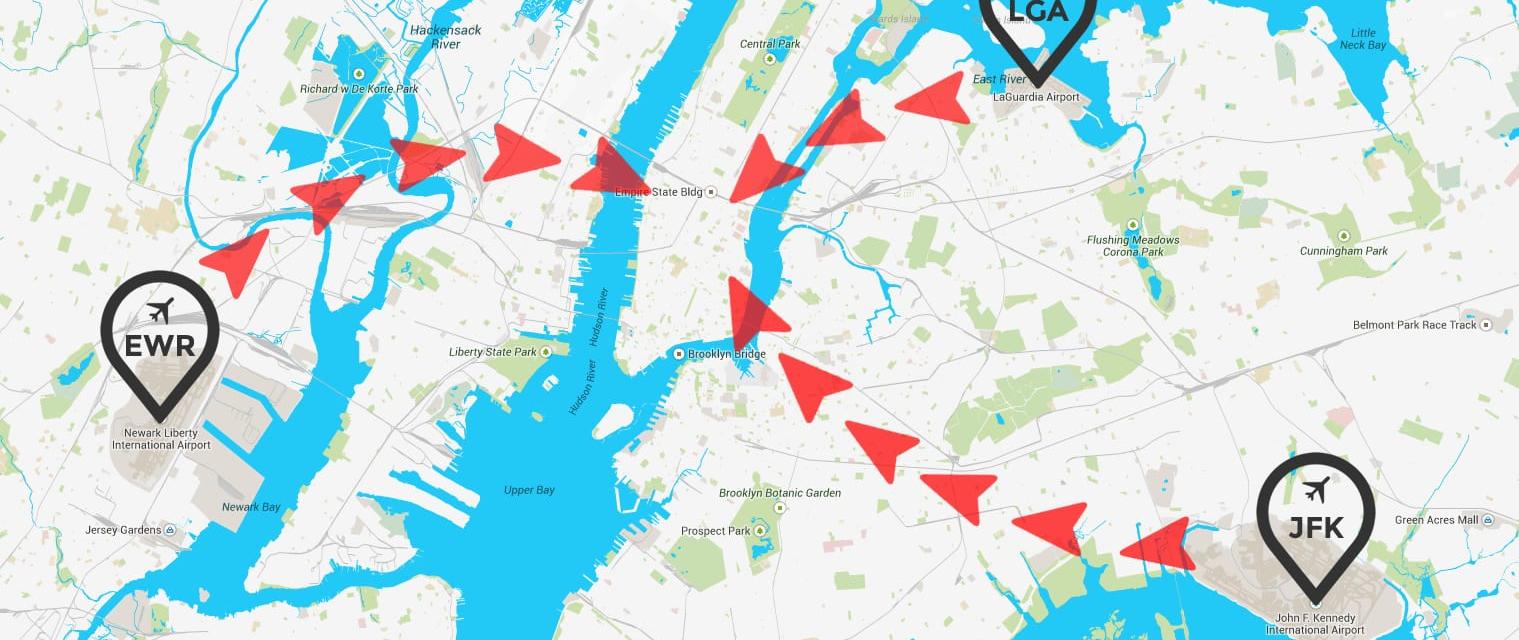
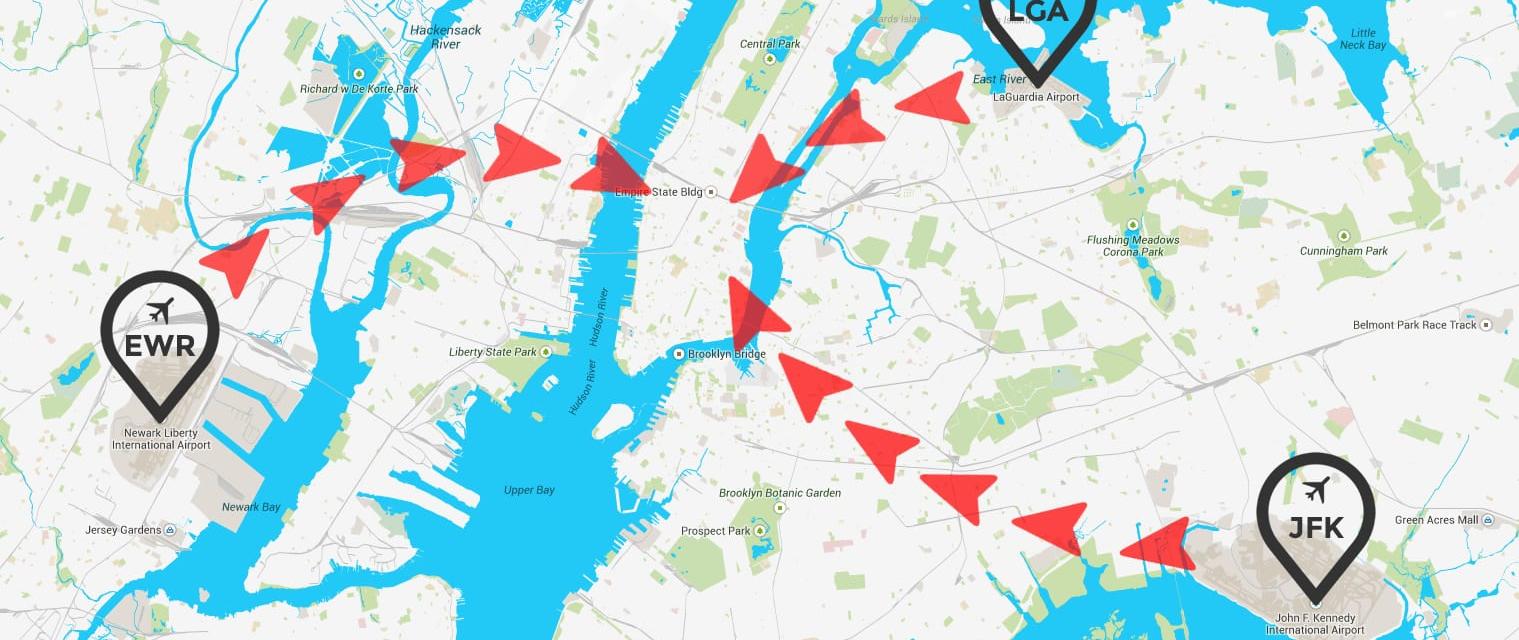
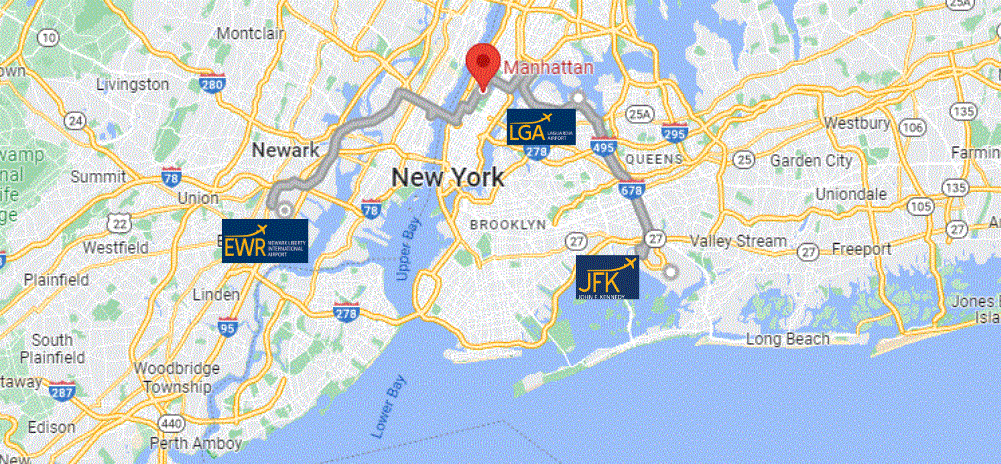
JFK, in Queens, is one of the world’s busiest airports. A key international gateway, it connects New York City to destinations worldwide. Serving millions of passengers annually, JFK is critical to the city’s transport infrastructure.
LaGuardia Airport (LGA)
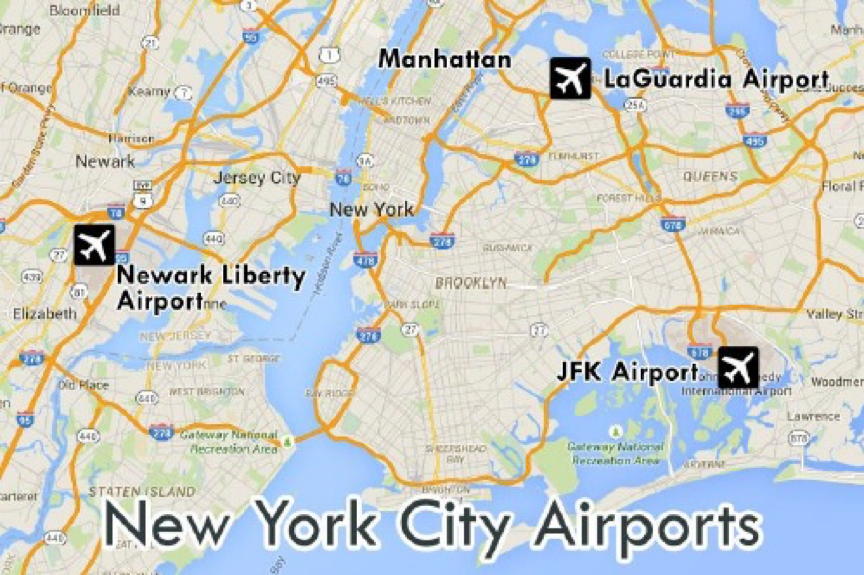
LaGuardia, also in Queens, is the closest airport to Manhattan. It primarily serves domestic flights with some international routes, known for convenience and easy access for city travelers.
Newark Liberty International Airport (EWR)
EWR, in Newark, New Jersey, is another major airport for the New York City area. The largest in the metro region, it offers a wide range of domestic and international flights.
Westchester County Airport (HPN)
HPN, in White Plains, New York, is a smaller airport serving northern suburbs. It offers domestic flights, known for easy access and shorter security lines.
The Role of Airports in Global Connectivity
International Gateways
New York City’s airports are crucial international gateways, facilitating trade, tourism, and cultural exchange. They link directly to major global cities, making international travel easier for businesses and individuals.
Economic Impact
The airports contribute significantly to the city’s economy. They generate substantial revenue from passenger and cargo operations, employ thousands, and stimulate growth in surrounding areas via hotels, restaurants, and services.
Tourism
New York City is a top tourist destination, and airports welcome visitors worldwide. Easy access to international destinations makes the city an attractive travel spot.
Challenges and Solutions
Capacity and Congestion
Capacity and congestion are key challenges. High passenger and flight volumes cause delays and inefficiencies. Airports are investing in infrastructure and tech upgrades to address this.
Environmental Concerns
Airports contribute to greenhouse gas emissions. To mitigate this, they’re adopting sustainable practices like renewable energy and improved air quality.
Security Measures
Security is a top priority. Advanced measures (biometrics, enhanced screening) ensure passenger and staff safety.
The Future of Airports in New York City
Technological Advancements
Future development will be shaped by tech: autonomous vehicles, smart baggage systems, and connected terminals to boost efficiency and passenger experience.
Expansion and Development
Expansion plans are underway at several airports, aiming to increase capacity, improve infrastructure, and enhance the passenger experience.
Sustainability
Sustainability remains a focus. As the city reduces its carbon footprint, airports will adopt greener practices and technologies.
Conclusion
New York City’s airports are more than transport hubs—they’re global gateways. They drive connectivity, economic growth, and tourism. While challenges exist, they evolve to meet the city’s changing needs. As a global leader, the city’s airports will stay at the forefront of travel and innovation.
References
– Recent studies on airport economic impact and future trends.
– Industry reports on airport connectivity and global trade.
– Research on sustainable practices in airport operations.
Recommendations
– Continue investing in infrastructure to boost capacity and reduce congestion.
– Prioritize sustainability to minimize environmental impact.
– Foster innovation through new technologies and practices.
– Strengthen security to ensure passenger and staff safety.

